

YOUR CART IS EMPTY
Continue shopping





















Kojic Acid vs Alpha Arbutin: Which Is Better for Your Skin
19 Feb 2026
If you have ever looked up how to fade dark spots, chances are you have come across the same two ingredients- kojic acid and alpha arbutin. Both work on melanin, both brighten your skin over time, and both are available in everything from face washes to sunscreens. So, how do you choose?
It often comes down to your skin type, how fast you want results, and how much your skin can handle. This blog explores how each ingredient compares, when to use which, and how to work them into your routine. Let’s get started.
Kojic Acid and Alpha Arbutin: What Each Does?
Both kojic acid and alpha arbutin are tyrosinase inhibitors, meaning they slow down the enzyme responsible for melanin production. Less melanin in targeted areas means fewer dark spots and a more even skin tone over time. But the way each one works is quite different.
Kojic Acid
Kojic acid is a naturally derived compound from fungi, commonly produced during the fermentation of rice or soy.
- Blocks tyrosinase directly to reduce melanin production in targeted areas.
- One of the more potent over-the-counter brightening ingredients.
- Most effective at concentrations between 1% and 2%.
- Might be unstable when exposed to air, light, or heat, reducing potency over time.
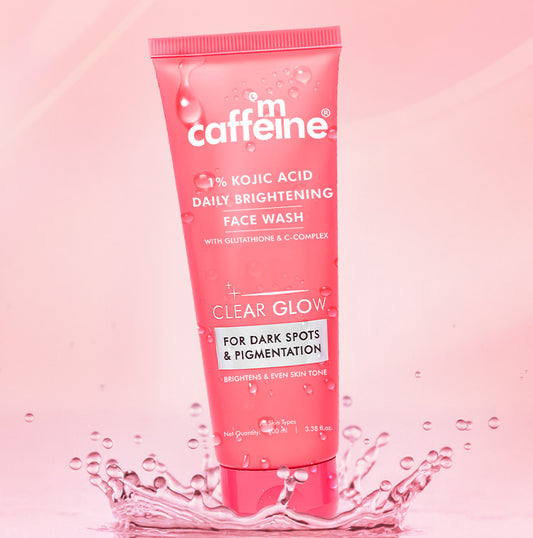
- Works well in rinse-off products like a brightening face wash with 1% kojic acid and glutathione.
Alpha Arbutin
Alpha arbutin is a plant-derived compound found in bearberry, cranberry, and blueberry leaves.
- Inhibits tyrosinase more gently and gradually than kojic acid.
- Releases hydroquinone-like activity without the harshness of hydroquinone itself.
- Well-tolerated by most skin types, including sensitive and acne-prone skin.
- Stable in most conditions, reliable in leave-on products like serums and sunscreens.
- Pairs easily with niacinamide, vitamin C, and hyaluronic acid.
Kojic Acid vs Alpha Arbutin: Key Differences
While both ingredients target melanin, they differ in how fast they work, how they feel on your skin, and where they fit best in a routine. Here's a side-by-side look at the key factors:
|
Factor |
Kojic Acid |
Alpha Arbutin |
|
Potency |
Stronger, more aggressive on pigmentation |
Gentler, gradual brightening |
|
Speed of Results |
3 to 6 weeks with consistent use |
6 to 12 weeks with consistent use |
|
Skin Sensitivity |
May cause irritation, redness, or dryness |
Rarely causes irritation |
|
Best For |
Stubborn dark spots, melasma, post-acne marks |
Mild pigmentation, maintenance, sensitive skin |
|
Stability |
Less stable, degrades with air and light |
Highly stable, holds up in most formulas |
|
Ideal Product Type |
Rinse-off (face washes, soaps) |
Leave-on (serums, sunscreens, creams) |
Alpha Arbutin Vs Kojic Acid: When to Use Which?
Choosing between kojic acid and alpha arbutin depends on your skin type and how your skin handles active ingredients.
When Kojic Acid Is the Better Pick
Kojic acid suits normal to oily skin types who want faster results on stubborn pigmentation. If you're dealing with noticeable dark spots, post-acne marks, melasma, or sun-induced tan that hasn't responded to milder ingredients, kojic acid's stronger action is worth trying.
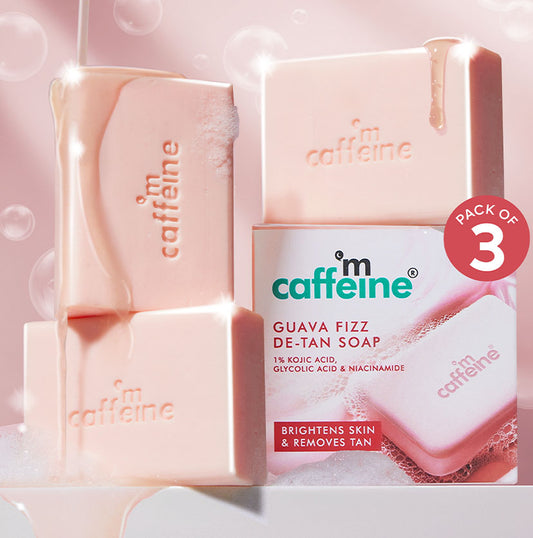
For body-level pigmentation like tan on the neck, arms, or back, a brightening soap with kojic acid makes a simple addition to your shower routine.
When Alpha Arbutin Makes More Sense
Alpha arbutin is better for sensitive, dry, or reactive skin. If your skin tends to sting or flush with active ingredients, alpha arbutin delivers brightening benefits without the irritation risk. It also works well as a maintenance ingredient after you've already faded major spots.
A brightening sunscreen with alpha arbutin and niacinamide is a good everyday option that doubles as UV protection.
When to Use Both Together
Kojic acid and alpha arbutin complement each other well. Since they inhibit melanin through slightly different pathways, combining them can produce better results than either one alone. Use kojic acid in rinse-off products and alpha arbutin in leave-on products for balanced results.
How to Add Each to Your Skincare Routine?
Once you know which ingredient fits your concern, here's how to work each one into your routine.
Adding Kojic Acid
Start with rinse-off products to limit contact time and let your skin adjust gradually.
- Use a kojic acid face wash as your morning or evening cleansing step.
- For the body, a kojic acid soap can target tan and dark patches during your shower.
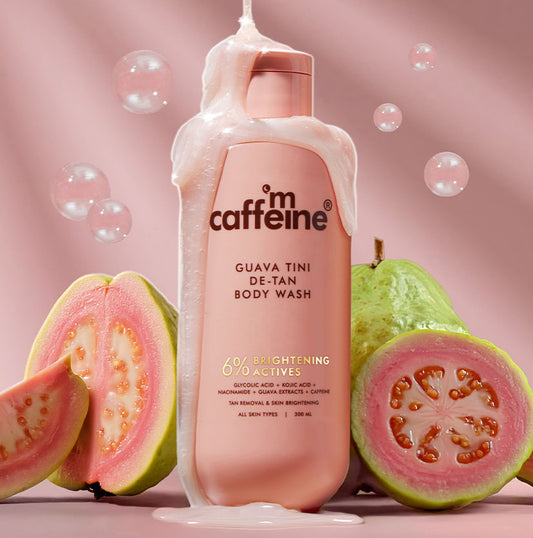
- Pair with a de-tan body wash with glycolic acid for more even results across the face and body.
- Always follow with sunscreen, since kojic acid can increase sun sensitivity.
Adding Alpha Arbutin
Alpha arbutin works best in leave-on formulas that stay on your skin longer.
- Apply a serum or sunscreen with alpha arbutin after cleansing and moisturizing in the morning.
- Let it absorb fully before heading out or layering makeup.
- It layers well with most other actives, so you don't need to rearrange your existing routine.
- Avoid pairing with strong acids or retinoids in the same step.
Final Verdict
Kojic acid and alpha arbutin are both effective, well-researched brightening ingredients. Kojic acid is faster and more aggressive, while alpha arbutin offers steady results with minimal irritation. For most people, using both delivers the best of both worlds.
mCaffeine's Daily Brightening and Depigmentation Combo brings kojic acid, alpha arbutin, niacinamide, and glutathione together in one kit. It's a simple way to build a complete brightening routine without piecing products together on your own.
Frequently Asked Questions
Q. Can I use kojic acid and alpha arbutin together?
Yes. They target melanin through slightly different mechanisms, so combining them can enhance results without significantly increasing irritation.
Q. Which is better, kojic acid or alpha arbutin?
Neither is universally better. Kojic acid works faster on stubborn dark spots but can irritate sensitive skin. Alpha arbutin is gentler and safer for daily use but takes longer to show results.
Q. Does alpha arbutin lighten overall skin tone?
Alpha arbutin targets areas of excess melanin production, like dark spots and patches. It works to even out your tone rather than lighten your natural complexion.
Q. Are there any ingredients I should avoid pairing with kojic acid?
Avoid using kojic acid with strong acids or retinoids at the same time. Alternate them on different days or use kojic acid in rinse-off products.
Q. How long does kojic acid take to show results?
Most people notice visible improvement in 3 to 6 weeks with consistent use. Results depend on pigmentation severity and concentration.


Mother's Day Special: Gift Kits to Pamper Her
21 Apr 2026

5 Must-Try Tan Removal Body Washes for Naturally Glowing Skin
15 Apr 2026

Top 5 Face Scrubs to Remove Blackheads from Your Face
15 Apr 2026

Pre and Post Beach Skin Care: How to Protect Your Body from Sun Damage
15 Apr 2026
