

YOUR CART IS EMPTY
Continue shopping






















What Is Keratosis Pilaris? Causes, Symptoms, and Home Treatments
01 Jun 2026
Ever run your hand over your upper arm and felt tiny, rough bumps that just won't go away? Maybe the texture looks like permanent goosebumps, or the skin on your thighs feels like sandpaper no matter how much you moisturize.
You're probably dealing with keratosis pilaris, one of the most common skin conditions around. While there's no permanent cure, the right body care routine can make a huge difference.
What Is Keratosis Pilaris?
Keratosis pilaris (KP) is a harmless skin condition where small, rough bumps develop around hair follicles. The bumps form when excess keratin, the protein that makes up your skin's outer layer, builds up and plugs the hair follicle openings instead of shedding naturally.
KP bumps can appear red, brown, white, or skin-colored. Many people call the condition "chicken skin" or "strawberry skin." Keratosis pilaris is so widespread that dermatologists often consider KP a skin type rather than a medical condition.
Keratosis Pilaris Symptoms
Keratosis pilaris symptoms vary from person to person, but the most common signs include:
- Small, rough, painless bumps on the skin that resemble goosebumps
- Dry, itchy patches, especially on the backs of upper arms, thighs, or buttocks
- A sandpaper-like texture when you touch the affected areas
- Redness or slight discoloration around the bumps
- Symptoms that worsen during colder, drier months and improve in summer
KP can sometimes look like acne or dry patches, so many people don't realize what the condition actually is.
Keratosis Pilaris Causes
Several factors contribute to keratosis pilaris, and most are beyond your direct control.
- Keratin Buildup: The primary cause of keratosis pilaris is excess keratin production. When keratin accumulates around hair follicles instead of shedding naturally, small plugs form and create the signature bumps.
- Genetics: KP tends to run in families. If a parent or sibling has the condition, your chances of developing keratosis pilaris go up significantly.
- Dry Skin: Dry skin makes KP significantly worse. Without adequate moisture, keratin plugs become more prominent, and the texture feels rougher. Winter dryness is a major trigger.
- Associated Conditions: People with eczema, asthma, or allergies are more likely to develop keratosis pilaris. Certain conditions, like hypothyroidism and vitamin A deficiency, have also been linked to KP.
Where Does KP Appear on the Body?
Keratosis pilaris shows up wherever hair follicles exist. The most common areas include:
- Upper arms (most frequently affected)
- Thighs and legs
- Buttocks
- Cheeks and face (more common in children)
- Forearms, back, and chest (less common)
How to Get Rid of Keratosis Pilaris at Home
There's no permanent fix for keratosis pilaris, but a consistent routine can significantly smooth the texture and reduce bumps. Here's what works:
Exfoliate Gently and Regularly
Gentle exfoliation is the most effective keratosis pilaris treatment at home. Use a mild body scrub with fine particles and scrub in soft, circular motions. Avoid aggressive scrubbing, which irritates the skin and makes bumps worse. Aim for 2 to 3 times per week.
Use Chemical Exfoliants
AHAs like glycolic acid and lactic acid help dissolve keratin plugs without physical friction. Salicylic acid (a BHA) works well too, especially for bumps with redness. Look for body washes or scrubs with one of the above in gentle concentrations.
Moisturize Consistently
Keeping skin hydrated is non-negotiable for managing KP. Apply a nourishing body lotion or body butter immediately after showering on damp skin. Ceramides, Glycerin, and urea help seal in moisture and soften bumps over time.
Adjust Your Shower Habits
Hot water strips natural oils from the skin, worsening KP. Switch to lukewarm showers, keep them under 10 minutes, and pat skin dry gently.
Protect Your Skin from the Sun
UV exposure can darken KP bumps and increase discoloration. Apply a lightweight sunscreen on exposed areas daily, and reapply every 2 to 3 hours. A broad-spectrum SPF 50 formula with a non-greasy finish works best on KP-prone arms and legs.
Avoid Picking or Scratching
Squeezing or picking at KP bumps can cause scarring and infection. Let the exfoliation and moisturizing routine do the work.
Key Ingredients for KP Management
Not all products work equally well for keratosis pilaris. Here are the ingredients that actually help:
|
Ingredient |
How the Ingredient Helps with KP |
|
Glycolic Acid (AHA) |
Dissolves keratin plugs and smoothens skin texture |
|
Salicylic Acid (BHA) |
Clears clogged follicles and reduces redness |
|
Lactic Acid |
Gently exfoliates while adding hydration |
|
Urea |
Softens rough, thickened skin and improves moisture retention |
|
Ceramides |
Repair the skin barrier and lock in hydration |
|
Caffeine |
Soothes inflammation, provides antioxidant protection, and energizes dull skin |
Managing KP for Smoother Skin
Keratosis pilaris may not have a permanent cure, but gentle exfoliation paired with deep hydration can make bumps far less noticeable. Stick with the routine for at least 4 to 6 weeks before judging results.
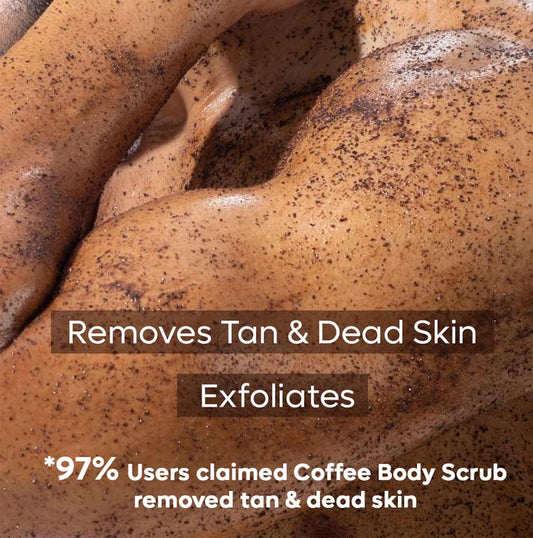
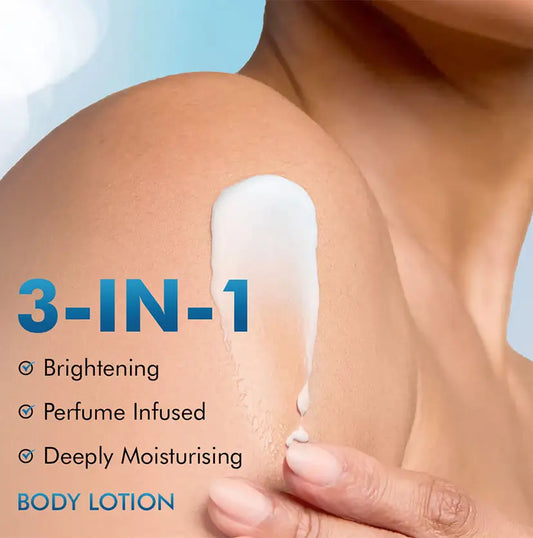
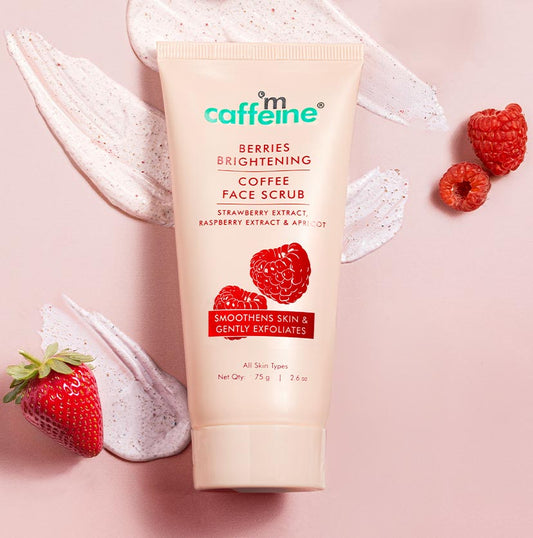
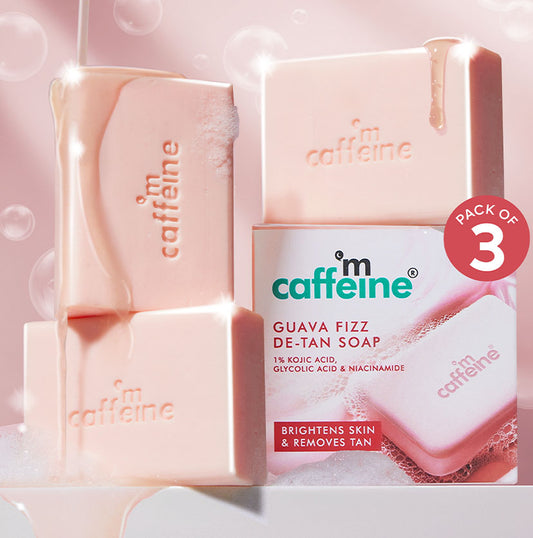
mCaffeine's body care range pairs Caffeine-powered exfoliation with deep nourishment, giving KP-prone skin exactly what it needs without harsh additives. Pure Arabica Coffee body scrubs help buff away keratin buildup gently, while ceramide-enriched body lotions lock in lasting moisture for smoother, calmer skin over time.
FAQs
Can keratosis pilaris go away on its own?
Yes. KP often fades with age, and many cases clear significantly around the mid-20s. Most people see complete resolution around age 30.
Is keratosis pilaris contagious?
No. Keratosis pilaris is not contagious and cannot spread from person to person. The condition is genetic and related to keratin buildup.
How long does keratosis pilaris treatment take to show results?
With consistent exfoliation and moisturizing, most people notice smoother skin within 4 to 6 weeks. Results require ongoing maintenance.
Can diet affect keratosis pilaris?
Vitamin A deficiency has been linked to KP. Eating foods rich in Vitamin A and omega-3 fatty acids may help support skin health alongside a topical routine.
Should I exfoliate KP every day?
No. Over-exfoliating can irritate KP-prone skin and worsen the bumps. Gentle exfoliation 2 to 3 times per week is ideal.
What is the best body wash for keratosis pilaris?
A gentle, sulfate-free body wash with AHAs or salicylic acid works best. Avoid heavily fragranced or harsh formulas.

Best Hydrating Body Care Kit for Daily Use in India
20 Aug 2026
mCaffeine Coffee Body Scrub vs Ubtan: What to Choose, When and Why
18 Aug 2026
Top 5 Tan Removal Products in India That Actually Work (2026)
13 Aug 2026

How to Get Even Skin Tone on Your Body: A 4-Week Routine Plan
06 Jun 2026
