

YOUR CART IS EMPTY
Continue shopping

































How to Use Body Wash Without a Loofah: Step-by-Step Guide
03 Mar 2026
So you've run out of loofahs, or maybe you've heard they can be a breeding ground for bacteria. Either way, you're standing in the shower, wondering: can you use body wash with just your hands?
The short answer is yes, absolutely. In fact, many dermatologists actually prefer it. Knowing how to use body wash without a loofah is simpler than you'd think, and your skin might thank you for making the switch.
Why People Are Ditching Loofahs?
Loofahs have been a shower staple for decades, but the conversation around them has shifted. Here's why.
The Bacteria Problem
A loofah sits in a warm, damp shower between uses, which is the perfect environment for bacteria, mold, and yeast to multiply. Organisms like E. coli and Staphylococcus have been found thriving on loofahs that aren't replaced often enough. Even rinsing after each use doesn't fully solve the issue.
Skin Irritation from Over-Scrubbing
Daily scrubbing with a rough loofah may cause micro-tears, strip natural oils, and weaken the moisture barrier. If you've noticed dryness, redness, or increased breakouts, your loofah might be part of the problem.
Replacement Fatigue
Synthetic loofahs should be replaced every 3 to 4 weeks, and natural ones even sooner. Most people hold onto them much longer, which means they're washing with a tool that's doing more harm than good.
Using Body Wash Without a Loofah: 5 Alternatives
Not every alternative works the same way. Each has a specific technique for best results, so picking the right one depends on your skin type and goals.
Here’s a quick comparison:
|
Alternative |
Exfoliation Level |
Hygiene Factor |
Best Skin Type |
Replace Every |
|
Hands |
None |
Highest |
Sensitive |
N/A |
|
Washcloth |
Light |
High (if freshly washed) |
Normal, combination |
After each use |
|
Silicone scrubber |
Light to medium |
Very high |
Oily, acne-prone |
2 to 3 months |
|
Exfoliating gloves |
Medium to high |
Moderate |
Rough, textured |
3 to 4 weeks |
|
Konjac sponge |
Very light |
High |
Dry, delicate |
4 to 6 weeks |
Your Hands (Best for Sensitive Skin)
No tool means no trapped bacteria, making your hands the gentlest and most hygienic way to apply body wash.
Lather a coin-sized amount between wet palms. Use flat, open palms in long sweeping strokes for arms, legs, and torso, then switch to fingertips with circular motions for underarms, behind the ears, and between toes. Always work top to bottom.
-
Pro Tip: For the upper back, cup both hands behind your neck and use alternating palms in a downward motion.
Washcloth (Best for Everyday Exfoliation)
A washcloth offers a slight texture that lifts dead skin without being aggressive. Use a fresh one each time to keep things hygienic.
Dampen and wring the cloth until moist. Apply a small amount of body wash directly onto it, fold over your hand, and use broad sweeping motions on larger surfaces. For elbows and knees, bunch the cloth and use targeted circular scrubbing.
-
Pro Tip: Toss used washcloths into the laundry after a single use. Hanging a damp one back up essentially creates a smaller version of the loofah problem.
Silicone Scrubber (Best for Acne-Prone Skin)
Silicone scrubbers don't absorb water, so bacteria and mold have nowhere to hide. Soft bristles provide gentle stimulation without being abrasive.
Apply body wash onto the pad, not your skin. Use light circular motions across the body, spending extra seconds on oil-prone zones like the chest and upper back. Let the bristles do the work; pressing hard defeats the purpose.
-
Pro Tip: Rinse and shake off excess water after each use. A quick clean is all it needs, making it one of the lowest-maintenance options.
Exfoliating Gloves (Best for Rough Skin)
More friction than a washcloth, making these a solid pick for rough patches, keratosis pilaris, and stubborn tan.
Wet the gloves and squeeze a small amount of de-tan body wash onto the surface. Use medium-pressure circular motions on knees, elbows, and heels, then lighten up on softer areas. Limit use to 2 to 3 times a week.
-
Pro Tip: Rinse thoroughly after each use, hang to air dry, and replace every 3 to 4 weeks.
Konjac Sponge (Best for Dry Skin)
Made from natural konjac root, these sponges are incredibly soft when wet and provide the gentlest physical exfoliation.
Soak in warm water for a minute until fully soft. Add a drop of body wash and gently press and glide across the skin in light, overlapping strokes. Minimal pressure works best here; let the texture do the buffing.
-
Pro Tip: Konjac sponges break down naturally. Replace every 4 to 6 weeks and hang in a ventilated spot after each shower.
Cleanse Right, Glow Brighter
Whichever method you go with, the key takeaway is simple: a loofah is optional, but clean, healthy skin isn't. Picking an alternative that matches your skin type and sticking with good hygiene habits will get you just as clean, if not cleaner.
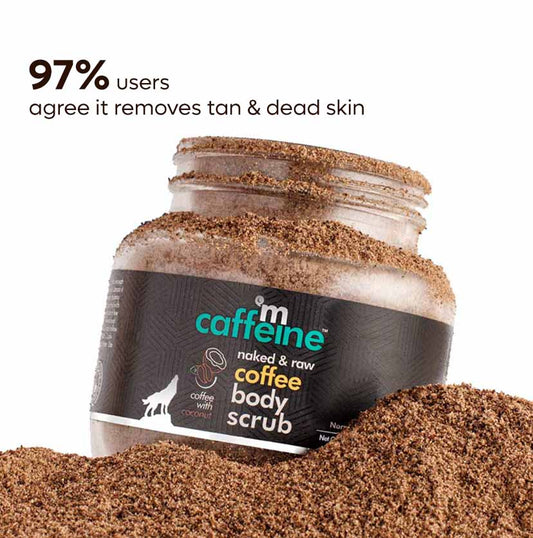
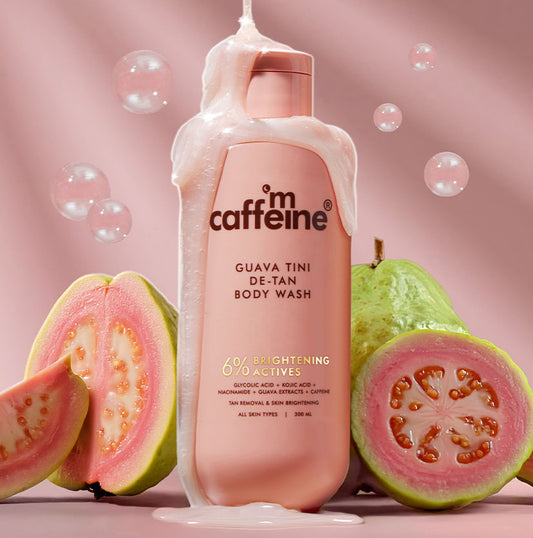
The body wash you pair with your method matters just as much. A formula that lathers well and doesn't strip moisture makes the switch seamless. mCaffeine's Body Washes are sulphate-free, enriched with Caffeine and Vitamin E, and work beautifully with just your hands or any alternative. Add a Coffee Body Scrub once a week for deeper exfoliation, and follow up with a body lotion to lock in softness.
Frequently Asked Questions
Q. Is it okay to use body wash without a loofah?
Yes. Using your hands is gentler on the skin and more hygienic than a loofah, which can harbor bacteria if not cleaned or replaced frequently.
Q. What can you use instead of a loofah?
Washcloths, silicone scrubbers, exfoliating gloves, and konjac sponges are all effective alternatives. Your hands alone also work well for daily cleansing.
Q. Is a loofah required for body wash?
No. A good body wash will lather and cleanse just as effectively when applied with your hands. A loofah is a preference, not a necessity.
Q. What is the most hygienic way to wash your body?
Washing with clean hands is widely considered the most hygienic method. Hands don't trap moisture or bacteria the way loofahs and sponges can.
Q. How often should you exfoliate if you don't use a loofah?
Using a body scrub once or twice a week can help remove dead skin cells and keep your skin smooth. Avoid scrubbing daily, as over-exfoliation may irritate the skin.
Q. Can skipping a loofah cause body acne?
No, skipping a loofah is unlikely to cause body acne. In fact, dirty loofahs may contribute to breakouts. Washing with clean hands and a gentle body wash is a safer bet for acne-prone skin.


5 Must-Try Tan Removal Body Washes for Naturally Glowing Skin
15 Apr 2026

Top 5 Face Scrubs to Remove Blackheads from Your Face
15 Apr 2026

Pre and Post Beach Skin Care: How to Protect Your Body from Sun Damage
15 Apr 2026

Body Lotion for Oily Skin: Lightweight Formulas That Don't Clog Pores in Summer
14 Apr 2026
