

YOUR CART IS EMPTY
Continue shopping


























How to Remove Blackheads from Nose: Safe Methods & Prevention Tips
06 Mar 2026
Every time you lean into the mirror, there they are. Those stubborn dark dots scattered across your nose that no amount of face washing seems to fix.
Blackheads are one of the most common skin concerns, and the nose is their favorite spot. The frustrating part? Most quick fixes people try either don't last or make things worse. This guide walks you through how to remove blackheads from the nose safely, what to avoid, and how to keep them from returning.
Why Your Nose Gets Blackheads (More Than Anywhere Else)
Blackheads are open comedones. A pore gets clogged with excess sebum and dead skin cells, and because the opening stays exposed to air, the trapped material oxidizes and turns dark. That color isn't dirt; it's a chemical reaction.
- Larger sebaceous glands: They produce more oil than other areas of the face.
- Natural creases: Oil and product residue settle easily around the nostrils.
- Hormonal shifts: Puberty, stress, or menstrual cycles can increase sebum production.
-
Heavy products: Thick moisturizers or leftover sunscreen may contribute to clogged pores if not removed properly.
How to Clear Blackheads on the Nose
Instead of treating each method as a standalone fix, think about building a routine that addresses the root cause: excess oil, dead cell buildup, and clogged pores.
Start with the Right Cleanser
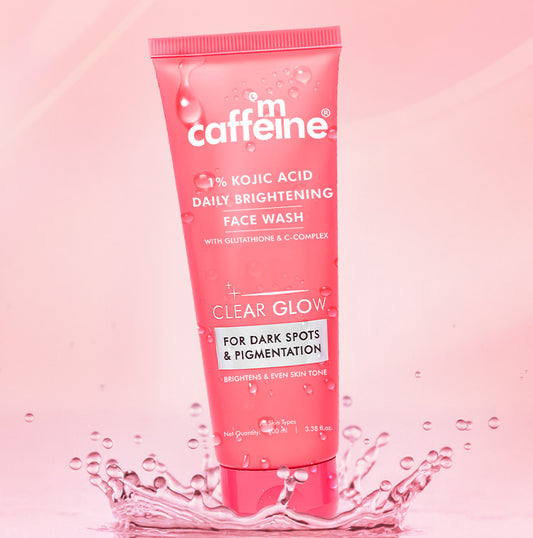
A gentle, non-stripping face wash used twice daily is the baseline. Over-cleansing strips the moisture barrier, which triggers sebaceous glands to produce even more oil. If you wear makeup or sunscreen, double cleansing at night (oil-based cleanser first, then your regular wash) dissolves everything a single wash might miss.
Use a BHA for Inside-the-Pore Action
Salicylic acid is a beta-hydroxy acid (BHA) and the most effective over-the-counter ingredient for blackheads. Because it's oil-soluble, it penetrates into the pore lining and dissolves the sebum-dead cell mix that forms the clog. AHAs like glycolic acid work on the surface rather than inside the pore. Using both in rotation covers both bases.
Add a Weekly Mask
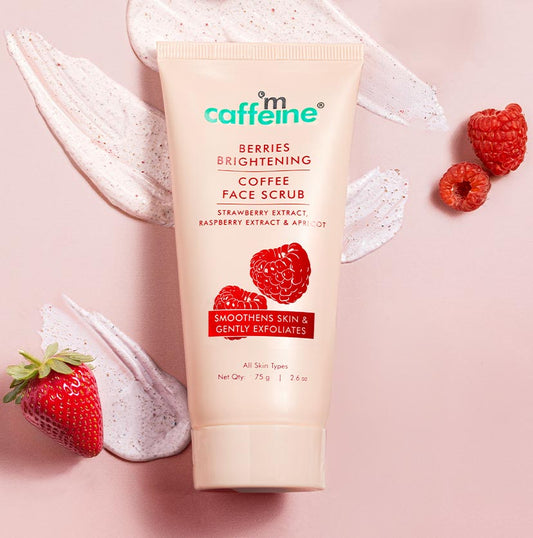
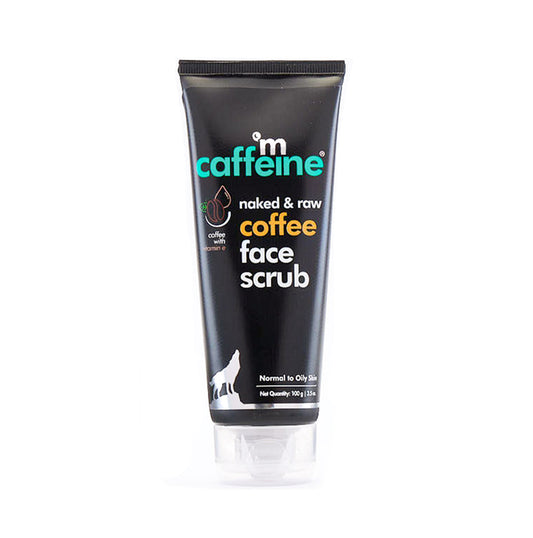
Clay-based masks (kaolin or bentonite) absorb excess oil from pore openings without stripping skin the way pore strips do. A face mask with charcoal or coffee can draw out impurities while gently exfoliating. Apply once or twice a week on the nose and chin, and rinse while the mask is still slightly damp rather than fully cracked.
Exfoliate, But Gently
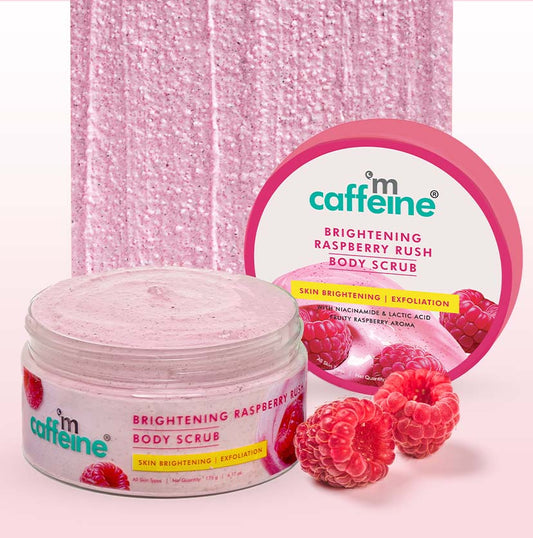
Physical exfoliation has a role if done correctly. Use a face scrub with fine, rounded particles rather than jagged ones that cause micro-tears. Limit scrubbing to 2 to 3 times a week and use light circular motions for no more than 30 seconds on the nose. Aggressive scrubbing irritates the skin and can trigger more oil production.
Don't Skip Moisturizer or SPF
Skipping moisturizer because your skin feels oily is counterproductive. A dry barrier compensates by producing more sebum. A lightweight, oil-free moisturizer keeps things balanced without clogging pores. Since chemical exfoliants increase sun sensitivity, applying a non-comedogenic sunscreen daily is essential. UV exposure can also worsen hyperpigmentation from old blackheads.
Common Blackhead Removing Mistakes to Avoid
Some widely shared tips can do more harm than good. Here's what to steer clear of:
|
Method |
Why It's a Problem |
|
Squeezing with fingers |
Pushes bacteria deeper, risks scarring and broken capillaries |
|
Pore suction devices |
Can burst blood vessels and cause lasting redness on the nose |
|
Pore strips (overuse) |
Temporarily lifts material but also strips natural oils; doesn't prevent recurrence |
|
Toothpaste |
Contains irritants like menthol that inflame skin without clearing pores |
|
Baking soda scrubs |
Disrupts your skin's pH balance, leading to irritation and dryness |
How to Prevent Blackheads from Returning
Knowing how to clear blackheads on the nose is only half the job. Keeping them away requires daily habits.
- Cleanse morning and night. Sweat, oil, and pollution build up quickly in the T-zone.
- Always remove makeup fully, especially around the nose and chin.
- Choose non-comedogenic products, including cleanser, moisturizer, sunscreen, and makeup.
- Change pillowcases weekly. Fabric collects oil and bacteria.
- Avoid touching your nose frequently. Hands transfer oil and debris.
- Skip self-tanner on the nose. It can settle into pores and make blackheads appear darker.
When to See a Dermatologist
If over-the-counter products and consistent cleansing haven't improved things after 8 to 12 weeks, consult a dermatologist. Prescription-strength retinoids speed up cell turnover and prevent dead cells from accumulating inside pores. Professional extractions performed under hygienic conditions can help remove deeper congestion more precisely.
Build a Routine Your Skin Can Rely On
If you’re wondering how to get rid of blackheads on the nose without damaging your skin, the answer isn’t harsh tools or overnight fixes. It’s a consistent routine built around gentle cleansing, BHA exfoliation, weekly masking, and daily sun protection.
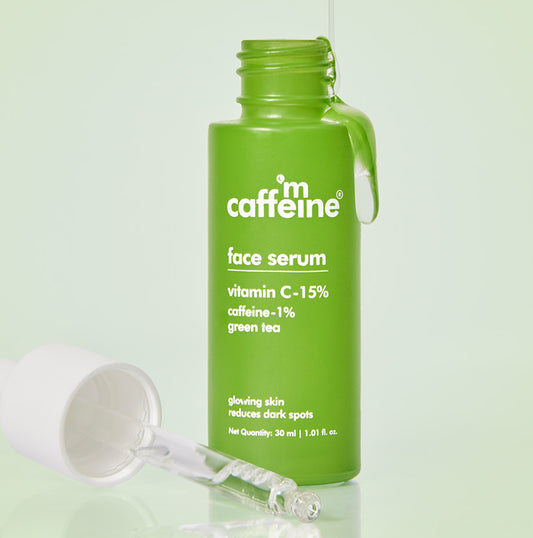
And, if you need help in building that kind of routine, mCaffeine’s face care collection fits effortlessly into daily use. With pore-cleansing face washes, coffee-infused face scrubs, oil-free moisturizers, and more, you get clearer-looking skin over time.
Frequently Asked Questions
Q. How can I remove blackheads from my nose at home?
Use a salicylic acid cleanser daily, apply a clay or charcoal mask once or twice a week, and exfoliate gently with a fine-particle scrub. Avoid squeezing, and always moisturize and apply sunscreen after treatment.
Q. What pulls blackheads out immediately?
Pore strips can physically lift surface-level blackheads for a quick result, but the effect is temporary. For lasting clearance, a consistent routine with BHAs and weekly masks works far better than any single extraction method.
Q. How to 100% get rid of blackheads?
Complete permanent elimination isn't realistic because your skin continuously produces oil and sheds cells. However, a steady routine with salicylic acid, regular exfoliation, and non-comedogenic products can reduce them significantly and prevent recurrence.
Q. Can hot water remove blackheads?
Hot water alone won't dissolve or extract blackheads. Warm steam can help soften the material inside pores, making masks and exfoliants more effective afterward. Avoid very hot water directly on your face, as it can strip moisture and irritate the skin.
Q. How often should I exfoliate my nose for blackheads?
Chemical exfoliation with a BHA can be done daily if your skin tolerates it. Physical scrubs should be limited to 2 to 3 times a week. Over-exfoliating damages the barrier and triggers rebound oil production.
Q. Do blackheads go away on their own?
Surface-level blackheads may clear on their own over time, but deeper ones rarely do without targeted care. Consistent cleansing, exfoliation, and oil control speed up the process significantly.


How to Get Even Skin Tone on Your Body: A 4-Week Routine Plan
06 Jun 2026

Top 5 Body Washes for Acne-Prone Skin in India
05 Jun 2026

Body Care Ingredients to Avoid: What's in Your Body Wash and Lotion to Skip
05 Jun 2026

Dark Underarms: Real Causes and the Body Care Routine to Fix Them
04 Jun 2026
