

YOUR CART IS EMPTY
Continue shopping

















Body Care Ingredients to Avoid: What's in Your Body Wash and Lotion to Skip
05 Jun 2026
Most people spend time picking the right body wash fragrance or lotion texture, but have you ever flipped the bottle to read the ingredient list? No right? That's where the real problem hides. Some of the most common body care ingredients can strip your skin, clog pores, or disrupt your body's natural balance over time.
Knowing which body wash chemicals to avoid doesn't require a chemistry degree. Here's a straightforward guide to the ingredients worth skipping and what to reach for instead.
What Harmful Ingredients Can Do to Your Skin
The wrong ingredients in your daily body lotion or wash can quietly cause more damage than you'd expect:
- Strips the skin's natural moisture barrier, leading to chronic dryness
- Clogs pores and traps bacteria, triggering body acne and dullness
- Irritates sensitive skin, causing redness, itching, or contact dermatitis
- Disrupts the skin's natural pH, making the skin more reactive over time
- Accumulates with daily use, since body care products sit on the skin for hours
Ingredients to Avoid in Body Wash and Lotion
Not every ingredient with a long name is harmful, and not every "natural" ingredient is safe. Here are the most common offenders to watch for on ingredient labels.
SLS & SLES (Sodium Lauryl Sulfate & Sodium Laureth Sulfate)
SLS creates the foamy lather in most body washes but strips natural oils far too aggressively. SLS in body wash is harmful for sensitive, eczema-prone, or acne-prone skin, often worsening dryness and irritation.
-
What to use instead: Sulfate-free body washes that use gentler surfactants like cocamidopropyl betaine or decyl glucoside.
Parabens (Methylparaben, Propylparaben, Butylparaben)
Parabens are synthetic preservatives that can mimic estrogen, raising concerns about hormonal disruption with long-term use. Many dermatologists recommend a paraben-free body lotion as a precaution.
-
What to use instead: Products preserved with natural alternatives like phenoxyethanol or vitamin E-based systems.
Silicones (Dimethicone, Cyclomethicone)
Silicones give body lotions a smooth, silky texture. However, silicones form a synthetic film over the skin that can trap dirt, sweat, and bacteria, especially in hot and humid climates. Over time, the buildup can lead to dullness, clogged pores, and body acne.
-
What to use instead: Lightweight, silicone-free formulas with natural emollients like Caffeine, Glycerin, or ceramides.
Synthetic Fragrances
"Fragrance" or "Parfum" on a label can represent dozens of undisclosed chemicals. Synthetic fragrances are among the most common triggers for skin irritation, allergic reactions, and contact dermatitis.
-
What to use instead: Products scented with natural essential oils or plant-based extracts.
Denatured Alcohol (Alcohol Denat.)
Denatured alcohol evaporates quickly for a lightweight feel but strips the skin's moisture barrier in the process, causing dryness and sensitivity. Fatty alcohols like cetyl and cetearyl alcohol are a different category and actually moisturize.
-
What to use instead: Products that rely on Hyaluronic Acid, Glycerin, or Niacinamide for a lightweight, hydrating finish.
Mineral Oil
A petroleum-derived ingredient found in many body lotions. Mineral oil creates a moisture barrier but can clog pores, prevent skin from breathing, and worsen breakouts on oily or acne-prone skin.
-
What to use instead: Plant-based oils like coconut oil, jojoba oil, or shea butter that moisturize without blocking pores.
How to Read a Body Care Label
A few quick habits make a big difference when shopping for safer body care:
- Check the first five ingredients: Ingredients are listed in order of concentration. If SLS, parabens, or mineral oil appear near the top, the product contains a significant amount.
- Watch for vague terms: "Fragrance" and "Parfum" can hide dozens of undisclosed compounds.
- Look for certifications: Labels like "dermatologically tested," "paraben-free," and "SLS-free" signal cleaner formulations.
- Don't fall for "natural" claims alone: Focus on the actual ingredient list rather than front-of-pack marketing language.
What to Look for Instead
Swapping out problematic ingredients doesn't mean compromising on results. Plenty of effective, skin-friendly alternatives deliver the same benefits without the downsides.
|
Skip |
Choose |
|
SLS / SLES |
Sulfate-free, gentle surfactants |
|
Parabens |
Paraben-free preservative systems |
|
Mineral Oil |
Plant-based oils, Shea Butter |
|
Silicones |
Caffeine, Glycerin, ceramides |
|
Synthetic Fragrance |
Natural essential oils, plant extracts |
|
Denatured Alcohol |
Hyaluronic Acid, Niacinamide |
Cleaner Body Care, Healthier Skin
Avoiding harmful ingredients in body lotion and body wash doesn't mean giving up performance. Plenty of effective formulas deliver deep hydration, gentle exfoliation, and real results without relying on SLS, parabens, silicones, or mineral oil.
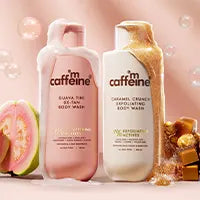
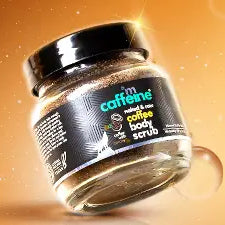
mCaffeine's body care range is free from SLS, parabens, silicones, and mineral oil while delivering Caffeine-powered cleansing and hydration. From body scrubs to body lotions, every formula is dermatologically tested and PETA-certified cruelty-free.
FAQs
Is SLS in body wash really harmful?
SLS strips natural oils aggressively, causing dryness and irritation. For sensitive or eczema-prone skin, sulfate-free body washes are a safer choice.
Why should I use a paraben-free body lotion?
Parabens can mimic estrogen and may disrupt hormonal balance with long-term use. A paraben-free body lotion reduces unnecessary chemical exposure.
Are all alcohols bad in body care products?
No. Denatured alcohol strips moisture, but fatty alcohols like cetyl and cetearyl alcohol are moisturizing and safe for skin.
Can silicones cause body acne?
Silicones trap sweat, dirt, and bacteria under a synthetic film. In hot, humid climates, the buildup can clog pores and contribute to body breakouts.
How do I know if a product is truly "clean"?
Read the ingredient list rather than relying on marketing claims. Look for specific callouts like "SLS-free," "paraben-free," and "dermatologically tested."
Does "fragrance-free" mean a product has no scent?
Not always. "Fragrance-free" means no synthetic fragrances were added. The product may still have a natural scent from plant-based ingredients.

Best Hydrating Body Care Kit for Daily Use in India
20 Aug 2026
mCaffeine Coffee Body Scrub vs Ubtan: What to Choose, When and Why
18 Aug 2026
Top 5 Tan Removal Products in India That Actually Work (2026)
13 Aug 2026

How to Get Even Skin Tone on Your Body: A 4-Week Routine Plan
06 Jun 2026
