

YOUR CART IS EMPTY
Continue shopping































Face Wash vs Cleanser: Differences, Benefits & Which One is Right for You
16 Mar 2026
Ever bought a face wash and then wondered if you actually needed a cleanser instead? You are not alone. These two products sit side by side on shelves, look similar, and promise clean skin.
But when it comes to the difference between cleanser and face wash, they are not identical, and choosing the wrong one for your skin type can leave your face feeling either too greasy or uncomfortably tight.
So what really sets them apart, and can you swap one for the other? Let's sort it out.
What is a Face Wash
A face wash is a water-based cleanser that lathers with water to remove oil, sweat, and dirt from deep within the pores. It usually contains surfactants and may include actives like Salicylic Acid or Vitamin C to target concerns such as acne, dullness, or excess oil.
Who Should Use a Face Wash
Face washes work particularly well for oily, combination, and acne-prone skin. If your skin feels greasy by midday, or you deal with clogged pores, a deep cleansing face wash with the right actives can help.
What is a Cleanser
A cleanser is a gentle formula designed to remove dirt, makeup, and impurities without stripping natural oils. It comes in formats like creams, milks, oils, or balms and focuses on maintaining the skin’s moisture barrier while cleansing.
Who Should Use a Cleanser
Cleansers are ideal for dry, sensitive, and mature skin. If your skin feels tight or stripped after washing, a cleanser may be the gentler alternative your routine needs.
Key Differences at a Glance
If you’re still wondering what is the difference between cleanser and face wash, this side-by-side comparison makes it clear.
|
Feature |
Face Wash |
Cleanser |
|
Texture |
Gel, foam, or liquid |
Cream, milk, oil, or balm |
|
Lathers |
Yes, most foam up |
Rarely, if ever |
|
Cleansing depth |
Deep pore cleansing |
Surface-level cleaning |
|
Moisture impact |
May strip natural oils |
Preserves moisture barrier |
|
Best for |
Oily, combo, acne-prone skin |
Dry, sensitive, mature skin |
Benefits of Using a Face Wash
A good face wash does more than remove dirt. Here is why it earns a spot in most routines.
Controls Oil and Prevents Breakouts
Foaming face washes dissolve excess sebum and clear clogged pores effectively. Pure Arabica Coffee in a caffeine-infused face wash can deep cleanse while reducing puffiness and fighting free radicals.
Provides a Fresh, Clean Feel
If you enjoy that "just-washed" freshness, a face wash delivers it. The lathering action feels thorough, making face washes popular as morning refreshers and post-gym staples.
Helps Active Ingredients Penetrate Better
By removing excess oil and buildup thoroughly, a face wash allows serums and moisturizers applied afterward to absorb more effectively.
Benefits of Using a Cleanser
Cleansers may seem less exciting, but they play a crucial role for certain skin types and at specific times of day.
Gentle Makeup and Sunscreen Removal
Oil-based and cream cleansers excel at breaking down makeup and sunscreen without aggressive scrubbing. If you wear makeup daily, a cleanser is often more effective as a first step.
Maintains Skin Hydration
Because cleansers skip harsh foaming agents, they preserve the skin's natural lipid layer. For anyone with dryness or a compromised moisture barrier, a gentle cleanser maintains balance while keeping skin clean.
Supports a Healthy Skin Barrier
Cream and oil cleansers help reinforce the skin barrier by preventing over-cleansing, which reduces irritation and sensitivity over time.
So, Can You Use Both?
Absolutely, and that is where double cleansing comes in. Skincare experts recommend a cleanser first to remove makeup, followed by a face wash for deeper cleaning. The cleanser vs face wash question does not have to be either-or.
How to Double Cleanse
- Start with a cream or oil cleanser on dry skin.
- Massage gently to dissolve makeup, sunscreen, and surface dirt.
- Rinse off or wipe away with a soft cloth.
- Follow with a face wash suited to your skin type on damp skin.
- Massage for at least 30 seconds, then rinse thoroughly.
Tip: If you have sensitive or very dry skin, double cleansing daily may be too much. On days without makeup, using one product is perfectly fine.
How to Choose the Right One for Your Skin Type
Knowing the difference between cleanser and face wash helps, but applying it to your needs is what matters.
For oily or acne-prone skin, a foaming face wash with Green Tea and Vitamin C controls oil and keeps pores clear. For dry or sensitive skin, a cream cleanser cleans without causing tightness.
Combination skin types can alternate between a cleanser at night and a face wash in the morning. Normal skin works with either, so choose based on preference.
Clean Skin Starts with the Right Choice
Understanding the cleanser vs face wash difference makes skincare less confusing. Face washes are ideal for deep cleaning and oil control, while cleansers focus on gentle removal and moisture balance. Instead of asking which one is better, ask which one your skin needs right now.
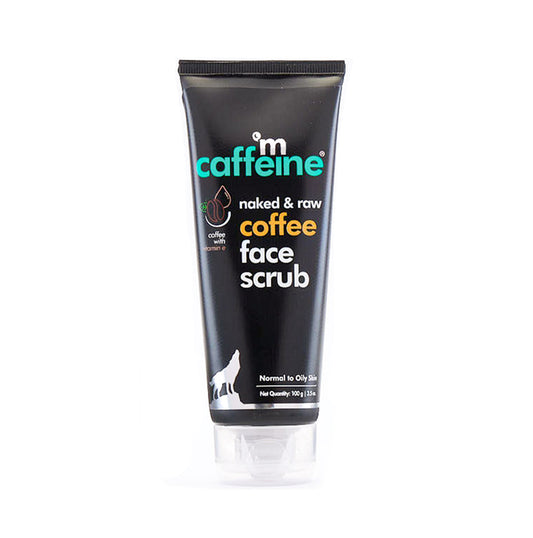
mCaffeine’s face wash range includes Coffee Face Washes powered by Pure Arabica Coffee and Caffeine for deep cleansing, along with Green Tea formulas infused with Vitamin C for oil control and radiance.
Frequently Asked Questions
Q: Which is better face wash or a cleanser?
Neither is universally better. Face washes suit oily and acne-prone skin, while cleansers work best for dry and sensitive skin. Your skin type determines which one is right for you.
Q: Can I skip face wash and only use cleanser?
Yes, especially if you have dry or sensitive skin. A good cleanser removes dirt and impurities without stripping moisture. On makeup-free days, a single cleanse is enough.
Q: Is face wash the same as a cleanser?
Not exactly. A face wash is a type of cleanser, but not all cleansers are face washes. Face washes foam and clean deeply, while cleansers come in non-foaming formats that clean more gently.
Q: Which comes first, cleanser or facial wash?
In a double-cleansing routine, the cleanser comes first to remove makeup and surface impurities. Follow with a face wash for deeper pore-level cleaning.
Q: Do I need both a face wash and a cleanser?
Not necessarily. If you wear heavy makeup or sunscreen daily, double cleansing helps. Otherwise, one well-chosen product for your skin type is sufficient.
Q: Can face wash cause dryness?
Some face washes with strong surfactants strip natural oils, leading to tightness. Choosing a gentle face wash free of SLS and parabens helps prevent that.


5 Must-Try Tan Removal Body Washes for Naturally Glowing Skin
15 Apr 2026

Top 5 Face Scrubs to Remove Blackheads from Your Face
15 Apr 2026

Pre and Post Beach Skin Care: How to Protect Your Body from Sun Damage
15 Apr 2026

Body Lotion for Oily Skin: Lightweight Formulas That Don't Clog Pores in Summer
14 Apr 2026
