

YOUR CART IS EMPTY
Continue shopping




















Cold Shower vs Hot Shower: Which Gets More Out of Your Body Wash?
09 May 2026
You've probably picked your body wash carefully. The right actives, the right scent, the right texture. But have you thought about the water temperature you're using it with?
Cold shower vs hot shower for skin isn't just a comfort debate. The temperature of your water changes how well your body wash cleanses, how your skin responds, and how much moisture you retain after stepping out. And in India, where you're switching between scalding summer showers and steamy winter ones, getting the temperature right makes a noticeable difference in how your skin looks and feels.
What Hot Water Does to Your Skin
A hot shower feels incredible after a long day. But what feels good and what's good for your skin aren't always the same.
Hot water strips the skin's natural lipid layer, the thin film of oils that keeps moisture locked in. With that barrier weakened, skin dries out faster and becomes more sensitive.
- Opens pores for deeper cleansing of dirt and oil.
- Strips natural oils, leaving skin tight and dry with prolonged use.
- Weakens the barrier, making skin prone to irritation and sensitivity.
- Worsens eczema and dry patches with regular exposure.
- Relaxes muscles, the one genuine benefit for the body (not the skin).
Hot water makes your body wash lather more easily. But if the water is too hot or the shower runs too long, over-stripping undoes whatever hydration your body wash provides.
What Cold Water Does to Your Skin
Cold showers are less popular, but cold shower skin benefits are hard to ignore.
Cold water doesn't strip the sebum layer. Natural oils stay intact, keeping skin soft and protected. Cold water also constricts blood vessels, reducing puffiness and giving skin a tighter appearance.
- Preserves natural oils and prevents moisture loss.
- Tightens pores, making them look smaller and less prone to clogging.
- Boosts circulation, delivering more oxygen and nutrients to skin cells.
- Reduces inflammation, calming redness and puffiness.
- Adds natural glow from better blood flow and an intact moisture barrier.
The trade-off? Body wash with cold water doesn't lather as richly. Cold water is less effective at breaking down heavy oils and sunscreen residue, so cleansing can feel incomplete after heavy sweating.
What is the Ideal Shower Temperature for Skin?
Neither extreme. Dermatologists consistently recommend lukewarm water, around 37°C, as the ideal shower temperature for skin. Warm enough to activate your body wash and dissolve sweat, cool enough to keep the lipid barrier intact.
|
Factor |
Hot Shower |
Cold Shower |
Lukewarm (Ideal) |
|
Cleansing |
Strong lather, deep cleanse |
Weaker lather, lighter cleanse |
Effective cleanse without stripping |
|
Moisture retention |
Strips oils, dries skin |
Preserves oils, locks moisture |
Balanced hydration |
|
Pores |
Opens wide |
Constricts tight |
Mildly open, natural state |
|
Circulation |
Increases surface blood flow |
Boosts deep circulation |
Moderate, comfortable |
|
Skin barrier |
Weakens with prolonged use |
Keeps intact |
Maintains without stress |
|
Comfort in Indian weather |
Great in winter, too hot in summer |
Refreshing in summer, harsh in winter |
Works year-round |
How Shower Temperature Affects Your Body Wash
Temperature changes how well your body absorbs active ingredients.
Cleansing Power
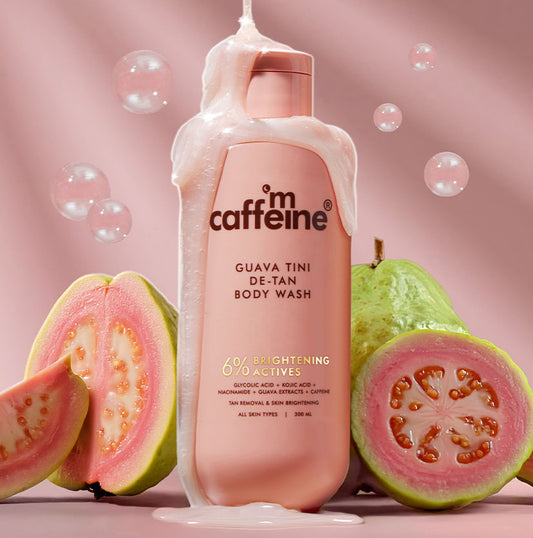
Warm water helps surfactants work more efficiently. A de-tan body wash with Glycolic Acid activates better in lukewarm water, breaking down oil and sunscreen residue without excess product.
Active Ingredient Absorption
Niacinamide, Caffeine, and Natural BHA body wash absorb best on slightly warm, damp skin. Too hot weakens the barrier. Too cold constricts pores. Lukewarm keeps skin in a receptive state.
Post-Shower Hydration
Hot showers leave skin dehydrated, meaning your body lotion works harder just to reach baseline. After lukewarm water, skin retains more natural moisture, so lotion adds to an already healthy foundation.
The Best Shower Routine for Your Skin
A few adjustments help you get the most out of every shower.
- Keep water lukewarm: Comfortable, not skin-reddening.
- Limit to 10 minutes: Longer showers strip moisture even at the right temperature.
- Let the body wash sit: Apply on back, chest, underarms, and feet. Let the actives work for 30 to 60 seconds before rinsing.
- Finish with a cool rinse: A 15 to 30 second burst of cool water constricts pores and seals moisture.
- Pat dry, don't rub: Rubbing irritates freshly cleansed skin.
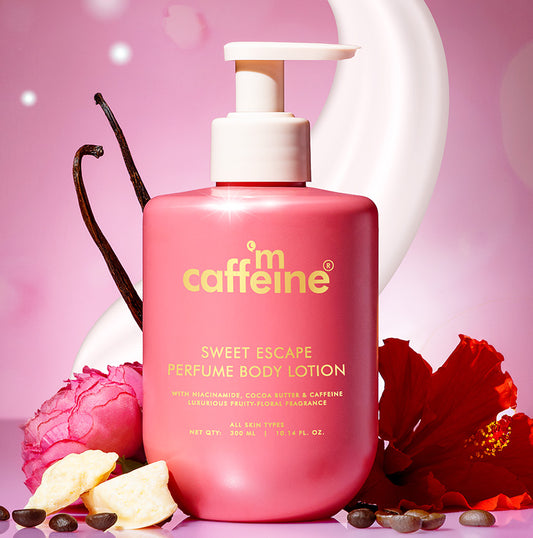
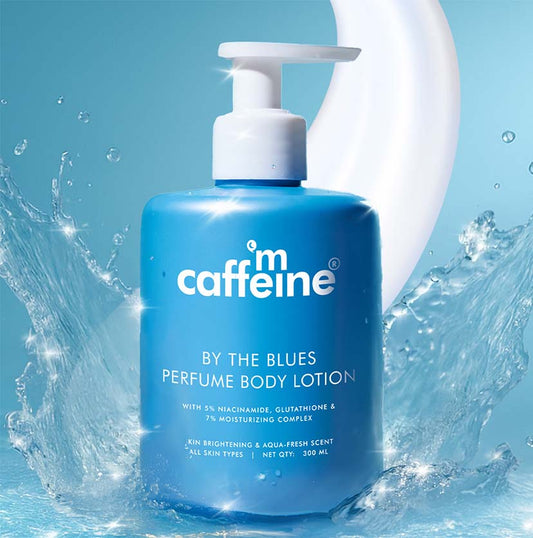
- Moisturize within 2 minutes: A perfume body lotion on damp skin locks hydration in.
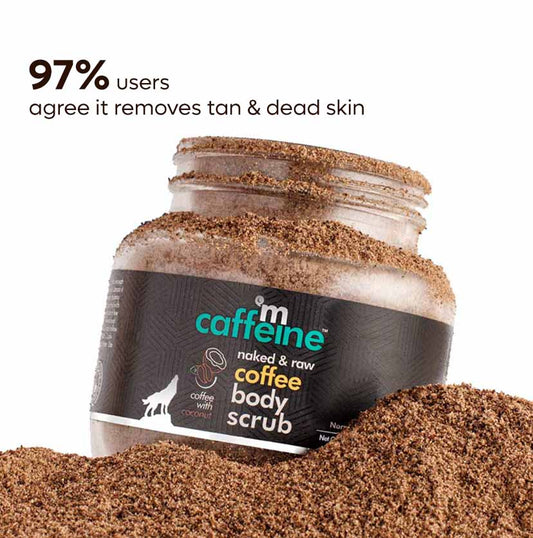
- Exfoliate 2-3 times a week: A coffee body scrub in lukewarm water clears dead cells, so the body wash works on fresh skin.
Get More Out of Every Shower
The right body wash matters, but the water you use with it matters just as much. Too hot, and you strip your skin. Too cold, and you miss out on proper cleansing. Lukewarm keeps everything balanced.
Once you get the temperature right, your products start doing what they’re meant to. If you’re refining your routine, mCaffeine’s body care range is formulated with Caffeine, Natural AHA, and skin-friendly actives that perform best in lukewarm water.
FAQs
Does cold water make body wash less effective?
Cold water reduces lather and limits how well surfactants break down oil and sweat. Body wash works best in lukewarm water for balanced cleansing.
Can hot showers cause dry skin even with a hydrating body wash?
Yes. Hot water strips natural oils faster than any body wash can replenish. Even hydrating formulas can't fully compensate for prolonged hot water exposure.
What's the ideal shower temperature for healthy skin?
Around 37°C, lukewarm. Warm enough to cleanse effectively and cool enough to preserve the skin's natural moisture barrier.
Should I end my shower with cold water?
A short cool rinse (15 to 30 seconds) at the end helps constrict pores, boost circulation, and seal in moisture. A good finishing step year-round.
How long should a shower be for skin health?
Five to ten minutes in lukewarm water is ideal. Longer showers, even at the right temperature, gradually strip moisture and weaken the skin barrier.
Is a cold shower better for oily skin?
Cold water preserves oils rather than stripping them. For oily skin, lukewarm water paired with an active body wash is more effective at controlling oil without over-drying.


Top 5 Body Washes for Acne-Prone Skin in India
05 Jun 2026

Body Care Ingredients to Avoid: What's in Your Body Wash and Lotion to Skip
05 Jun 2026

Dark Underarms: Real Causes and the Body Care Routine to Fix Them
04 Jun 2026

AHA vs BHA for Body Skin: Which Exfoliant Works Best for Your Concern
04 Jun 2026
