

YOUR CART IS EMPTY
Continue shopping





















Chemical Exfoliation vs Physical Scrubs: What Works for Indian Skin?
23 Feb 2026
Chemical exfoliation or physical scrubs? It's one of the most common skincare dilemmas, and for good reason. Both methods promise smoother, brighter skin, but they work very differently. For Indian skin specifically, choosing the wrong method can lead to dark spots and uneven skin tone that takes months to fade.
This guide breaks down everything about chemical vs physical exfoliation to help you pick the right approach for your skin type and concerns.
The Quick Breakdown
Here's a simple comparison to understand how these two methods differ:
|
Factor |
Chemical Exfoliation |
Physical Scrubs |
|
How It Works |
Acids dissolve dead skin bonds |
Gritty particles scrub off dead cells |
|
Safe for Indian Skin? |
Yes, much gentler overall |
Requires caution |
|
How Deep It Goes |
Penetrates pores |
Surface level only |
|
Dark Spot Risk |
Lower when used correctly |
Higher due to friction |
|
When You See Results |
Takes 4-6 weeks |
Instant smooth feeling |
|
How Often to Use |
2-3 times a week |
Once a week, maximum |
|
Helps with Acne Scars? |
Yes, effectively |
Not significantly |
Why Indian Skin Needs Special Consideration
Indian skin typically has higher melanin content, which determines skin tone. However, melanin is also reactive to inflammation and irritation. When skin gets aggravated, melanin rushes to that area and leaves behind dark patches. Dermatologists call this post-inflammatory hyperpigmentation, or PIH.
This is why harsh scrubbing can be problematic for Indian skin. Physical friction creates micro-tears in the skin, triggering melanin production as a protective response. The result is often patchy, uneven skin tone that can take months to correct.
Understanding AHA and BHA Benefits
These terms appear on countless skincare products. Here's what they actually mean and how they help.
AHAs(Alpha Hydroxy Acids) like glycolic acid and lactic acid are water-soluble and work on the skin's surface. They're particularly effective for dry skin, sun damage, and dullness. Lactic acid tends to be gentler and adds hydration while exfoliating, making it a good starting point for Indian skin. AHAs help with tired, dull complexions by promoting cell turnover.
BHAs (Beta Hydroxy Acids), primarily salicylic acid, are oil-soluble. This means they can penetrate pores and clear out sebum buildup. For oily skin, blackheads, or acne, BHAs are particularly effective. They work from inside the pore rather than just sitting on the surface.
When Physical Scrubs Still Work
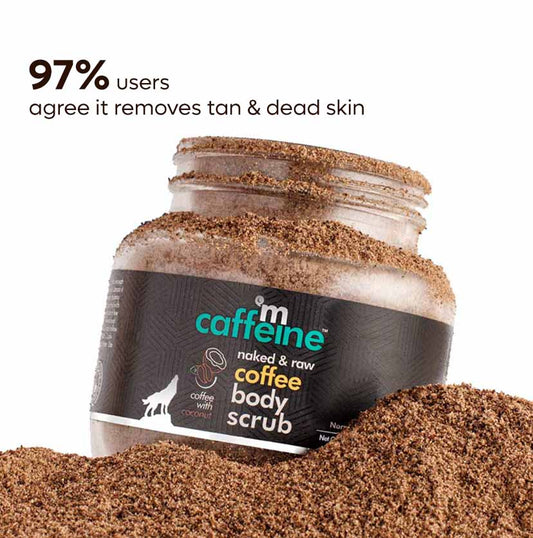
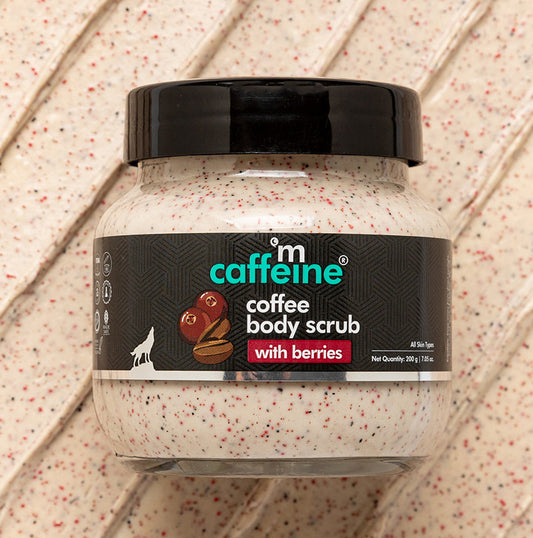
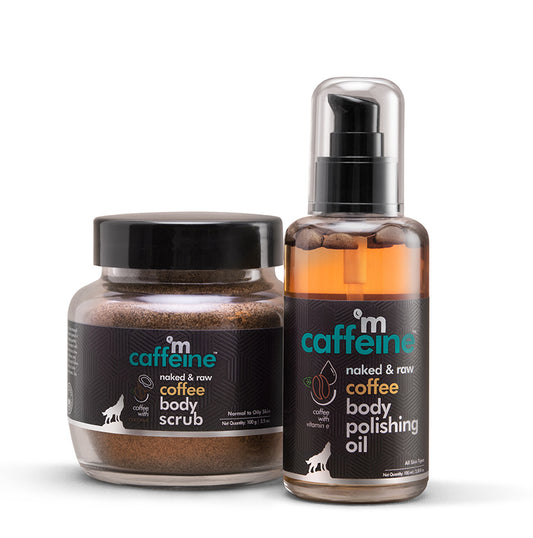
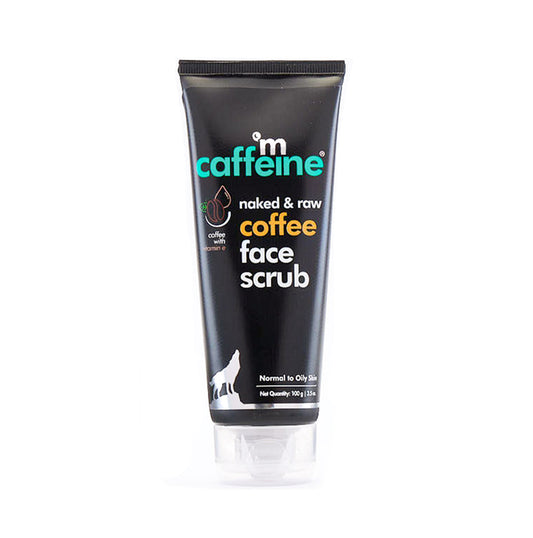
Physical exfoliation isn't entirely off the table. Body skin is thicker and less prone to PIH than facial skin. A good Coffee Body Scrub works well for rough knees, elbows, and stubborn tan removal.
The key factors for safe physical exfoliation:
- Use scrubs with rounded particles like coffee grounds or sugar
- Avoid jagged particles like crushed walnut shells
- Apply light pressure with gentle circular motions
- Limit usage to once a week
- Reserve physical scrubs primarily for body skin
Choosing the Right Method by Skin Type
For oily and acne-prone skin: BHA (salicylic acid) products work best. They penetrate oil-filled pores and clear congestion without physical irritation.
For dry and dull skin: AHAs like lactic acid or glycolic acid help remove dead skin while adding hydration. Start with lower concentrations (5-10%).
For sensitive skin: PHAs (Polyhydroxy Acids) offer the gentlest chemical exfoliation. They have larger molecules that don't penetrate as deeply.
For body skin: Physical scrubs with Caffeine-based formulas effectively tackle tan, rough patches, and ingrown hairs. Follow with moisturiser to lock in smoothness.
Products Worth Considering
For body exfoliation, mCaffeine offers effective options:
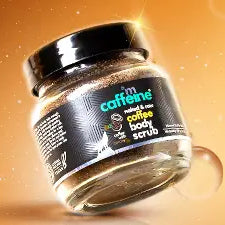
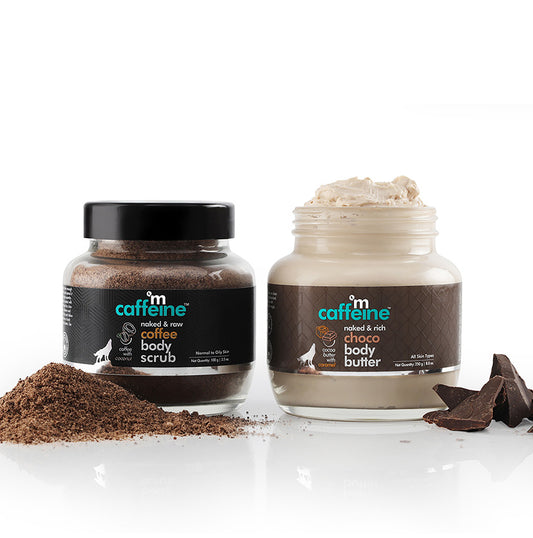
The Naked & Raw Coffee Body Scrub uses Pure Arabica Coffee particles that exfoliate without being overly harsh. It's effective for tan removal and smoothing rough skin.
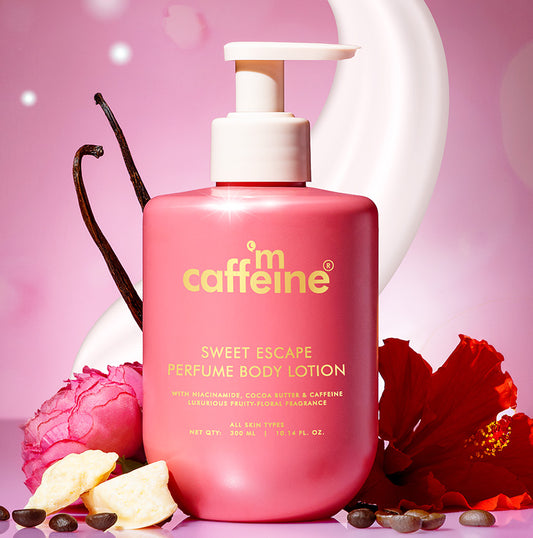
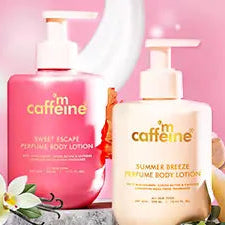
After exfoliation, the Sweet Escape Perfume Body Lotion helps restore moisture and keeps freshly exfoliated skin soft and nourished.
Frequently Asked Questions
Q. Can both chemical and physical exfoliation be used together?
Yes, but not on the same day. Space them at least 48 hours apart. A common approach is using chemical exfoliants on the face and physical scrubs on the body to get benefits from both methods without overdoing it.
Q. Which method is better for dark spots and acne scars?
Chemical exfoliation is more effective here. AHAs penetrate the skin and help fade hyperpigmentation over time. Physical scrubs only address the surface and can potentially worsen dark spots if applied too aggressively.
Q. What are the signs of over-exfoliation?
Watch for persistent redness, stinging when applying regular products, unusual dryness or flakiness, and increased breakouts. If these occur, stop all exfoliation for two weeks and focus on gentle cleansing and hydration.
Q. Are physical scrubs safe for acne-prone skin?
For facial acne, physical scrubs are generally not recommended. The friction can spread bacteria and worsen inflammation. BHA (salicylic acid) is better suited for acne as it clears pores without physical irritation. For body acne, gentle scrubs can help but should be used lightly on affected areas.
Q. Is sunscreen necessary after exfoliation?
Absolutely. Both AHAs and physical exfoliation remove the top layer of dead skin, leaving fresh skin more vulnerable to UV damage. Skipping sunscreen after exfoliating significantly increases the risk of dark spots and pigmentation. SPF 50 broad-spectrum sunscreen is recommended daily.


Face Wash vs Cleanser: Differences, Benefits & Which One is Right for You
16 Mar 2026

Best Body Wash for Skin Brightening: Ingredients That Actually Work
11 Mar 2026
Dark Lips: Causes, Home Remedies & How to Get Naturally Pink Lips
10 Mar 2026

Can You Apply Sunscreen at Night? What Dermatologists Say
09 Mar 2026
