

YOUR CART IS EMPTY
Continue shopping





















Body Lotion vs Body Cream: Which One Does Your Skin Actually Need?
13 May 2026
You're standing in the aisle, staring at two moisturizers. One says body lotion. The other says body cream. Both claim to hydrate and soften. So what's the actual difference?
Body cream vs lotion in India isn't just a labeling difference. The formulation, texture, absorption, and climate compatibility are all different. Picking the wrong one for your skin type or weather can leave you either sticky or flaky. So, let’s see how they are different so you can pick the best suitable option for your skin.
What's the Core Difference?
The fundamental distinction in body lotion vs body cream comes down to the water-to-oil ratio.
A body lotion has higher water content and lower oil content, making it lighter, faster to absorb, and easier to spread. A body cream has higher oil and butter content with less water, making it thicker, richer, and slower to absorb but longer-lasting. Both moisturize, but how, when, and for whom they work best is where the paths split.
Body Lotion vs Body Cream: Side by Side
|
Factor |
Body Lotion |
Body Cream |
|
Texture |
Lightweight, fluid |
Thick, rich, buttery |
|
Water content |
High |
Low |
|
Oil content |
Low to moderate |
High |
|
Absorption |
Seconds to a minute |
Several minutes |
|
Residue |
Minimal to none |
Can leave a film |
|
Best for |
Oily, normal, combination skin |
Dry, very dry, rough skin |
|
Climate fit |
Humid, hot weather |
Cold, dry weather |
|
Ideal time |
Morning, daytime, post-shower |
Nighttime, winter, targeted dry spots |
|
Reapplication |
May need reapplication |
Lasts longer between applications |
When Body Lotion Is the Right Pick
For most people in Indian weather, a body lotion is the everyday workhorse.
Oily or Combination Skin
If your skin produces enough oil on its own, a heavy cream will overwhelm it. A lightweight body lotion absorbs fast and delivers hydration through Glycerin and Niacinamide without clogging pores.
Hot, Humid Weather
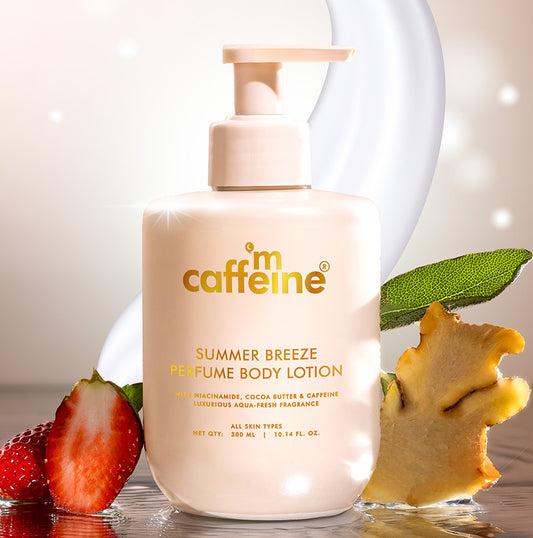
Indian summers make thick creams unbearable. A body lotion for summer with SPF and cooling ingredients hydrates without the sticky, suffocating feeling.
Morning Routines
A fast-absorbing lotion on damp skin sinks in within seconds, leaving no residue on clothing. Creams need several minutes, but most mornings don't allow.
Active Ingredients
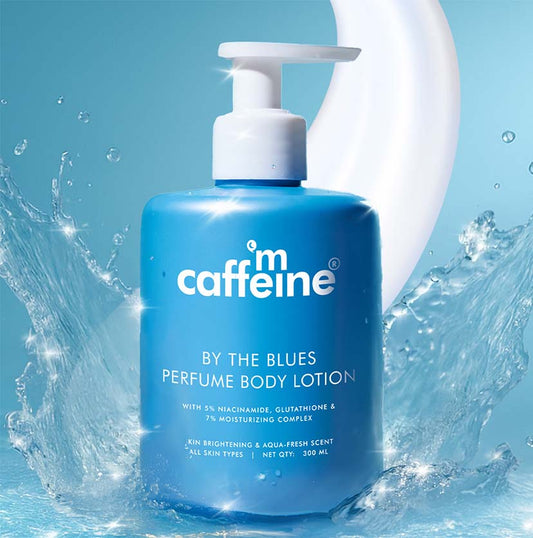
Modern body lotions pack skincare-grade actives. A brightening body lotion with 5% Niacinamide evens out skin tone, controls oil, and strengthens the barrier while feeling weightless.
When Body Cream Is the Better Choice
Body creams have a clear role, just not for everyone or every season.
Very Dry or Flaky Skin
If your skin cracks at the elbows or flakes around the knees, it needs the occlusive barrier a cream or body butter provides. Higher oil content seals moisture in and prevents water loss.
Cold, Dry Weather
Winter air strips moisture faster than lotions can replenish. A cream's thicker consistency shields skin from wind and dry indoor heating.
Overnight Treatment
Nighttime is when skin repairs itself. A rich body cream before bed delivers intense hydration to rough patches like heels, elbows, and hands.
Targeted Dry Spots
Even if lotion works everywhere else, elbows, knees, heels, and knuckles benefit from a cream's richer formula.
Can You Use Both?
Absolutely. Many people get the best results by using both strategically.
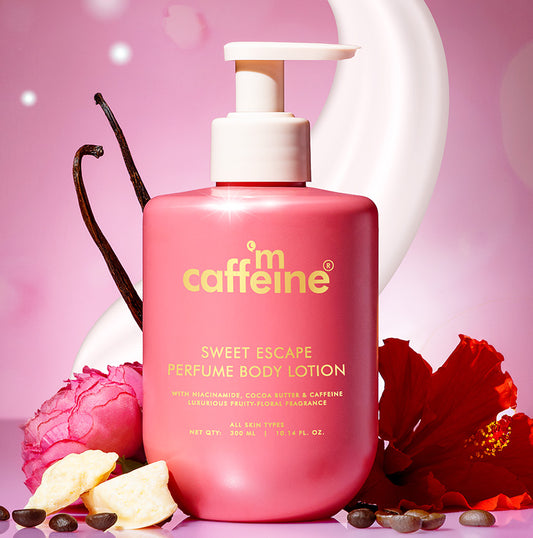
- Daytime: A lightweight perfume body lotion for everyday comfort and lasting fragrance.
- Nighttime: A richer body cream on dry, rough areas for overnight repair.
- Summer: Lotion only. A serum body lotion with SPF for daily protection and hydration.
- Winter: Cream on the body, lotion where skin doesn't feel excessively dry.
Adjusting by season and skin condition works better than committing to one product year-round.
What Ingredients to Prioritize
Regardless of format, the ingredients inside determine how well the product works.
- In a Body Lotion: Niacinamide (brightens, controls oil), Caffeine (boosts circulation, enhances absorption), Glycerin (draws moisture without heaviness), and lightweight esters that disappear on contact.
- In a Body Cream: Shea or Cocoa Butter (rich emollients that seal moisture), Ceramides (repair the skin barrier), Squalane (hydration without the greasy feel), and Vitamin E (antioxidant support for overnight repair).
How to Apply for Best Results
Application makes a visible difference. The same product works better with the right technique.
- Apply to damp skin right after showering. Water helps the product absorb deeper.
- Use a thin, even layer. Add more only to areas that need it.
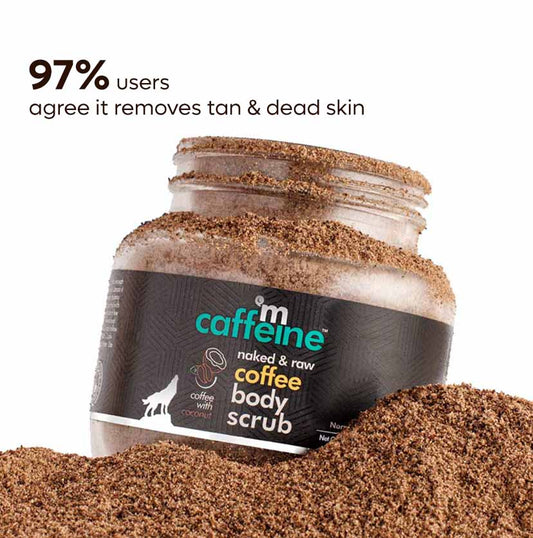
- Pair with exfoliation. A body scrub 2 to 3 times a week clears dead cells so your lotion or cream reaches fresh skin.
Summing Up
Body lotion and body cream both moisturize, but the right choice depends on your skin type, climate, and daily routine. For most Indian weather conditions and skin types, a lightweight, fast-absorbing body lotion covers everyday needs. A body cream earns its place during winter, at night, and on areas that need extra attention.
mCaffeine's body lotion range is formulated with Caffeine, Niacinamide, and skin-friendly actives for non-greasy, fast-absorbing hydration. Designed for Indian skin, it keeps up with your morning and nights.
FAQs
Is body cream better than body lotion?
Neither is universally better. Creams suit dry skin and cold climates. Lotions suit oily or normal skin and humid weather. Choose based on your needs.
Can I use body cream in Indian summer?
You can, but thick creams feel heavy in humidity. A lightweight body lotion absorbs faster and feels more comfortable for daily summer use.
Can I use body lotion and body cream together?
Yes. Use lotion during the day for lightweight hydration and cream at night on dry spots for intensive overnight repair.
Should I change my body moisturizer with the seasons?
Absolutely. Switch to a lighter lotion from March to October and a richer cream during the winter months when cold air strips skin moisture faster.
What's the difference between body cream and body butter?
Body butter is even thicker than cream, with the highest oil and butter concentration. Best for extremely dry areas like heels and elbows, not for full-body daily use.
Can body cream clog pores and cause acne?
Heavy creams with comedogenic ingredients can clog pores, especially on the chest and back. If acne-prone, stick to non-comedogenic body lotions for those areas.


How to Get Even Skin Tone on Your Body: A 4-Week Routine Plan
06 Jun 2026

Top 5 Body Washes for Acne-Prone Skin in India
05 Jun 2026

Body Care Ingredients to Avoid: What's in Your Body Wash and Lotion to Skip
05 Jun 2026

Dark Underarms: Real Causes and the Body Care Routine to Fix Them
04 Jun 2026
