

YOUR CART IS EMPTY
Continue shopping































Benefits of Exfoliating Your Skin: When, How & What to Use
08 Mar 2026
Ever wonder why your skincare products sometimes feel like they are just sitting on top of your skin? Or why does your skin look dull even after a solid cleansing routine? Chances are, a layer of dead skin cells is standing between you and that glow you are chasing.
Exfoliating could be the missing step. And the benefits of exfoliating go well beyond just "smoother skin." Here is everything you need to know.
What Exfoliation Actually Does to Your Skin
Your skin naturally sheds dead cells, but that cycle slows down due to age, sun exposure, and stress. When dead cells accumulate, they clog pores, trap oil, and dull your complexion. Exfoliation helps speed up this renewal process, revealing fresher skin underneath.
It works by:
- Removing dead skin buildup from the surface
- Helping prevent clogged pores
- Supporting smoother texture and improved clarity
- Allowing skincare products to absorb more effectively
Who Should Exfoliate
Virtually everyone can benefit from exfoliating, but the approach matters. Oily and acne-prone skin may tolerate more frequent sessions, while dry or sensitive skin does better with gentler products. If you have active breakouts, open wounds, or sunburned skin, hold off until your skin heals.
The Key Benefits of Exfoliating
From face to body, the benefits of exfoliating the skin go far beyond surface-level smoothness. Here is what consistent exfoliation may help with.
Smoother Texture and Brighter Tone
One of the most immediate results of exfoliation is improved texture. Dead cell buildup can make skin feel rough and look uneven.
Once that layer is buffed away, fresh skin underneath tends to appear brighter and softer. Consistent exfoliation may also help even out skin tone by addressing discoloration and dullness.
Fewer Breakouts and Unclogged Pores
Dead skin cells mixing with excess oil and bacteria is a common trigger for clogged pores. Exfoliating regularly helps keep pores clear, which may reduce blackheads, whiteheads, and breakouts.
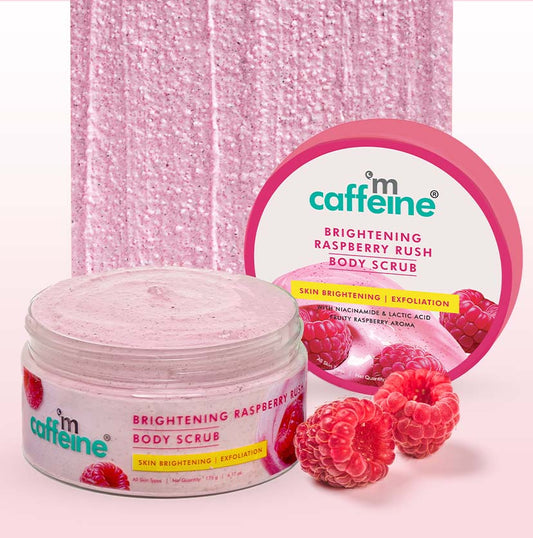
For the body, a brightening body scrub can also help prevent ingrown hairs and body acne on the back, chest, and upper arms.
Better Absorption of Skincare Products
When dead cells sit on the surface, your serums and moisturizers have a harder time penetrating. Exfoliating creates a cleaner canvas, allowing active ingredients like Niacinamide, Vitamin C, and Hyaluronic Acid to absorb more effectively.
Improved Skin Radiance
Exfoliation helps lift away the buildup of dead, dull surface cells that can make your skin look tired and uneven. With consistent use, skin may appear fresher, more luminous, and naturally glowing because light reflects more evenly off a smoother surface.
How to Exfoliate Your Face the Right Way
Facial skin is thinner and more delicate than body skin, so the benefits of exfoliating face skin come with one important caveat: technique matters.
Step-by-Step Face Exfoliation
- Start with a clean, damp face.
- Apply a small amount of cookie face scrub to your fingertips.
- Gently massage in circular motions for about 60 seconds, focusing on the T-zone.
- Rinse with lukewarm water, pat dry, and follow up with a serum or moisturizer.
How Often to Exfoliate Your Face
Most dermatologists suggest two to three times per week at most. Sensitive or dry skin may only need it once a week. Over-exfoliating can damage your skin barrier and increase sensitivity, so more is not better here.
How to Exfoliate Your Body
Body skin can generally handle more intensity than facial skin. The benefits of exfoliating body skin are especially noticeable on rough areas like elbows, knees, and feet.
Best Practices for Body Exfoliation
- Begin with warm (not hot) water to soften the skin
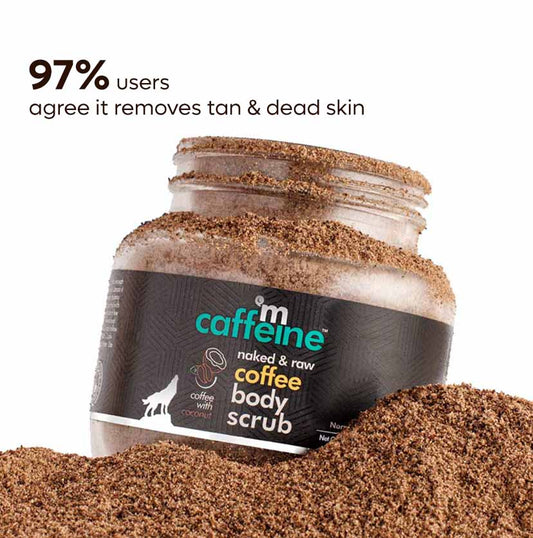
- Apply a coffee body scrub using gentle circular motions
- Work upward to help stimulate circulation
- Focus on rough areas like elbows, knees, and heels
- Avoid scrubbing irritated or freshly shaved skin
- Rinse thoroughly and pat dry
- Follow immediately with a body lotion to lock in moisture
Frequency for Body Exfoliation
Two to three times a week is a good baseline for most skin types, but if you notice redness or sensitivity, scale back to once a week. Always moisturize after, as freshly scrubbed skin absorbs hydration more efficiently.
Common Exfoliation Mistakes to Avoid
Even with the best products, poor technique can undo your results. Here are the most common pitfalls.
- Using the Wrong Product for the Wrong Area
A face scrub and a body scrub are not interchangeable. Body scrubs have coarser particles that can cause micro-tears on delicate facial skin. Always use products designed for the specific area.
- Exfoliating Right After Shaving
Skin is more sensitive immediately after shaving. It’s better to wait at least 24 hours before using a scrub or chemical exfoliant on freshly shaved areas.
- Skipping Sunscreen After Exfoliating
Freshly exfoliated skin is more vulnerable to UV damage. Not applying sunscreen afterward may increase sensitivity, tanning, and long-term sun damage.
Wrapping Up
Whether you are trying to clear up dull skin, reduce breakouts, or get a smoother feel from head to toe, regular exfoliation can make a real difference. The key is choosing the right product and sticking to a gentle routine. When approached with balance and technique, the benefits of exfoliating can support a healthier-looking skin over time.
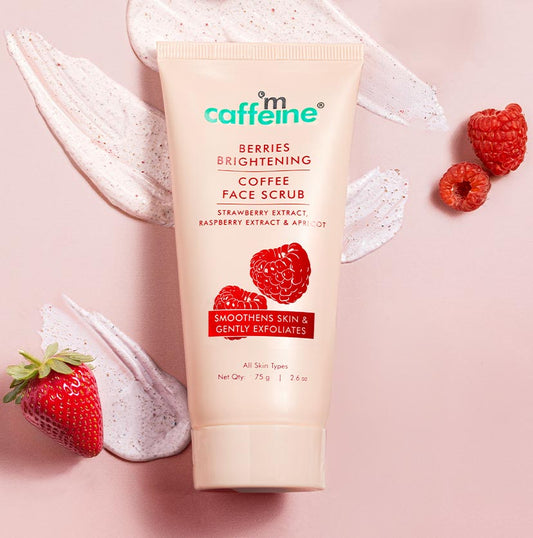
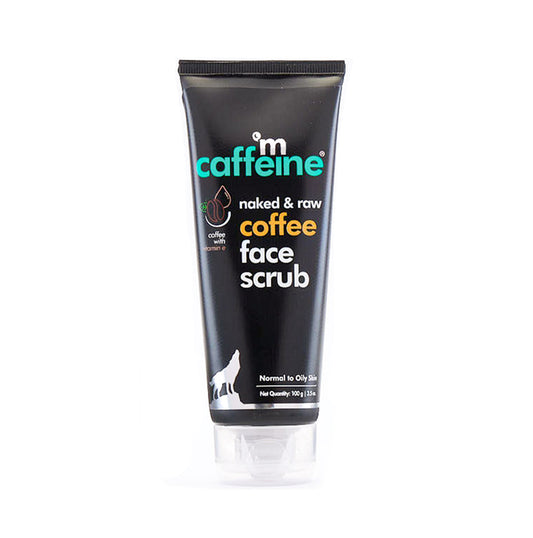
For face and body exfoliation, mCaffeine's Body Scrubs and Face Scrubs are formulated with Pure Arabica Coffee and Walnut to buff away dead skin, reduce tan, and leave your skin polished and soft.
Frequently Asked Questions
Q. Why is it important to exfoliate your skin?
Exfoliation removes dead skin cells that clog pores, cause dullness, and prevent skincare products from absorbing properly. Regular exfoliation may help keep skin smooth, clear, and even-toned.
Q. Is exfoliation safe during pregnancy?
Gentle physical exfoliation is generally considered safe, but chemical exfoliants (especially retinoids and high-concentration acids) should be discussed with your doctor first.
Q. Is it good to exfoliate skin every day?
For most people, daily exfoliation is too much and may damage the skin barrier. Two to three times a week is typically sufficient, and sensitive skin may only need once weekly.
Q. Is exfoliating good for seborrheic dermatitis?
Gentle exfoliation with BHAs like salicylic acid may help manage flaking. However, harsh scrubbing can worsen irritation, so consult a dermatologist for personalized advice.
Q. Can exfoliating help with ingrown hairs?
Yes. Regular exfoliation removes dead skin that traps hair beneath the surface. A body scrub used two to three times a week on affected areas may help reduce their occurrence.
Q. Should I moisturize after exfoliating?
Always. Exfoliation removes the outermost layer of skin, leaving it more vulnerable to moisture loss. Applying moisturizer or body lotion right after helps seal in hydration.


How to Get Even Skin Tone on Your Body: A 4-Week Routine Plan
06 Jun 2026

Top 5 Body Washes for Acne-Prone Skin in India
05 Jun 2026

Body Care Ingredients to Avoid: What's in Your Body Wash and Lotion to Skip
05 Jun 2026

Dark Underarms: Real Causes and the Body Care Routine to Fix Them
04 Jun 2026
