

YOUR CART IS EMPTY
Continue shopping




















AHA vs BHA for Body Skin: Which Exfoliant Works Best for Your Concern
04 Jun 2026
You've probably seen AHA and BHA on the back of every body wash and exfoliating lotion out there. But when the goal is smoother, clearer body skin, which one actually deserves a spot in your routine?
The answer depends entirely on your skin concern. AHAs and BHAs are both chemical exfoliants, but the two work very differently. This guide gives a clear breakdown of AHA or BHA for body skin, so you can pick the right one.
What Are AHAs?
Alpha hydroxy acids (AHAs) are water-soluble acids derived from fruits, milk, or sugarcane. AHAs exfoliate the skin's surface, dissolving bonds between dead cells so fresher skin can come through.
The most common AHAs used in body care include:
- Glycolic Acid (from sugarcane): The strongest and most popular AHA. Glycolic acid for body skin works well on rough texture, dark spots, and uneven tone.
- Lactic Acid (from milk): Gentler than glycolic, with added hydration. Great for sensitive or dry skin.
- Mandelic Acid (from almonds): The mildest AHA, ideal for beginners or easily irritated skin.
What Are BHAs?
Beta hydroxy acids (BHAs) are oil-soluble, meaning the acids penetrate deeper into pores instead of working on the surface. The most widely used BHA is salicylic acid.
A salicylic acid body wash is especially effective for oily, acne-prone skin because the acid gets inside clogged pores, breaks down oil and debris, and reduces inflammation from the inside out.
AHA vs BHA: Key Differences
Understanding the core differences helps match the right acid to your concern. Here’s a head-to-head comparison:
|
Feature |
AHA (Alpha Hydroxy Acid) |
BHA (Beta Hydroxy Acid) |
|
Solubility |
Water-soluble |
Oil-soluble |
|
Where the acid works |
Skin's outer surface |
Deep inside pores |
|
Best for |
Dry, dull, rough, or sun-damaged skin |
Oily, acne-prone, or congested skin |
|
Common types |
Glycolic acid, lactic acid |
Salicylic acid |
|
Key benefits |
Smoothens texture, brightens tone, fades dark spots |
Clears pores, reduces breakouts, controls oil |
|
Hydration |
Lactic acid adds moisture |
Does not add hydration |
Which One Should You Use?
The best exfoliant for your body depends on what your skin needs. Here's a concern-based guide.
Rough Texture (KP or Dry Patches)
Go with AHA. Glycolic acid for body skin breaks down keratin plugs and dead cell buildup, responsible for rough, bumpy patches on upper arms, thighs, and legs. Pair an AHA body scrub with a hydrating body lotion for best results.
Body Acne and Breakouts
BHA is the clear winner here. Salicylic acid penetrates oily pores, dissolves the gunk clogging hair follicles, and reduces redness. The best exfoliant for body acne is a salicylic acid body wash used 3 to 4 times per week on the back, chest, and shoulders.
Dark Spots and Uneven Tone
AHA takes the lead. Glycolic and lactic acid speed up cell turnover, fading post-acne marks, tan lines, and hyperpigmentation over time. Consistent use of an AHA-based body wash or lotion delivers gradual but visible brightening.
Ingrown Hairs
Both acids help, but BHA edges ahead. Salicylic acid clears trapped hair from inside the follicle, while AHA smoothens the surface to prevent new ingrowns. A combination product works well for post-shave or post-wax skin.
Oily or Congested Skin
BHA wins. Oil-soluble salicylic acid regulates sebum production and prevents pore blockages, keeping skin cleaner throughout the day.
Can You Use AHA and BHA Together?
Yes, but with caution. Many body care products now combine both acids in balanced concentrations for people dealing with multiple concerns. However, layering separate AHA and BHA products on the same day can over-exfoliate.
A safer approach: alternate between the two. Use an AHA product one day and a BHA product the next, or use AHA on arms and legs while reserving BHA for acne-prone areas like the back and chest.
Tips for Using Acids on Body Skin
Getting results from chemical exfoliants is as much about how you use them as which one you pick. A few simple habits keep your skin safe while the acids do the work:
- Start slow: Begin with 2 to 3 times per week and increase only if your skin tolerates the acids well.
- Always moisturize after: Follow up with a nourishing body lotion to seal in hydration.
- Never skip sunscreen: AHAs and BHAs increase sun sensitivity. A broad-spectrum sunscreen on exposed skin is non-negotiable.
- Don't combine with retinol: Acids alongside retinol on the body can cause irritation and barrier damage.
- Avoid broken or sunburned skin: Wait until the skin has healed before reintroducing any exfoliant.
Choosing the Right Acid for Your Body
AHAs and BHAs are both excellent exfoliants, but the right choice comes down to your skin's biggest concern. AHA for surface issues like dullness and rough texture, BHA for deeper problems like acne and clogged pores.
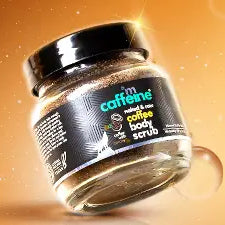
mCaffeine's body care range includes AHA-powered body washes and Caffeine-infused scrubs that tackle texture, breakouts, and uneven tone without stripping natural moisture. This is a solid starting point for anyone looking to add gentle chemical exfoliation to a body care routine.
FAQs
Is AHA or BHA better for body acne?
BHA (salicylic acid) is more effective for body acne because the acid penetrates oily pores and reduces breakouts from within. AHA works better on surface-level concerns.
Can I use glycolic acid on my body every day?
Start with 2 to 3 times per week. Daily use is possible once your skin has built tolerance, but over-exfoliating can cause dryness and irritation.
What percentage of AHA is safe for body skin?
Body skin can handle higher concentrations than the face. Glycolic acid at 5% to 10% is effective and well-tolerated for most people.
Should I moisturize after using AHA or BHA?
Always. Both acids can strip moisture from the skin. Applying a hydrating body lotion after exfoliation keeps the skin balanced and comfortable.
Can AHA and BHA be used in the same routine?
Yes, but alternate days or use combination products with balanced concentrations. Layering separate AHA and BHA products on the same day risks over-exfoliation.
Do AHAs and BHAs make skin more sensitive to the sun?
Yes. Both acids increase photosensitivity. Daily sunscreen on exposed body areas is essential when using either acid.

Best Hydrating Body Care Kit for Daily Use in India
20 Aug 2026
mCaffeine Coffee Body Scrub vs Ubtan: What to Choose, When and Why
18 Aug 2026
Top 5 Tan Removal Products in India That Actually Work (2026)
13 Aug 2026

How to Get Even Skin Tone on Your Body: A 4-Week Routine Plan
06 Jun 2026
