

YOUR CART IS EMPTY
Continue shopping


















Why Body Scrubs Don't Work for Everyone (And What Actually Does)
06 Jan 2026
That jar of gritty scrub was supposed to give silky-smooth skin. Instead? Redness. Irritation. Maybe even tiny bumps that weren't there before. If this sounds familiar, the problem isn't the skin. It's the scrub.
Traditional body scrubs don't work for everyone. And pushing through the irritation, hoping for results, only makes things worse. The good news is that effective body scrub alternatives exist, and some deliver better results without any of the drama.
Why Traditional Scrubs Cause Problems
Physical scrubs use abrasive particles like crushed walnut shells, apricot kernels, sugar, or salt to manually remove dead skin cells. The idea is simple: rub off the old, reveal the new.
The execution? Not always so simple.
A study published in the International Journal of Cosmetic Science found that physical exfoliation, while helpful for skin radiance, can cause temporary disruption to the skin barrier. For some people, that disruption isn't so temporary.
When scrubs are too harsh or used too often, skin fights back:
-
Persistent redness that lingers for hours
-
Increased sensitivity to products that used to feel fine
-
Dryness that moisturizer can't seem to fix
-
Breakouts from a compromised, irritated barrier
-
Texture issues that get worse instead of better
The frustrating part? Many people scrub harder when they don't see results, creating a cycle of damage that's hard to break.
Not Everyone's Skin Handles Scrubs the Same Way
Skin type plays a huge role in how well physical exfoliation works.
Sensitive Skin
Even gentle scrubbing can trigger reactions that last for days. Research suggests that roughly half of people worldwide consider their skin sensitive. For this group, friction-based exfoliation is often more trouble than it's worth.
Dry Skin
Occasional scrubbing might be tolerable, but without proper hydration afterward, flakiness can actually increase. The scrub removes dead cells, but it also strips away moisture that dry skin desperately needs.
Oily and Combination Skin
This skin type generally handles physical exfoliation better. But over-scrubbing triggers excess oil production as skin tries to compensate for what it lost. More scrubbing leads to more oil leads to more frustration.
Acne-Prone Skin
Scrubbing active breakouts spreads bacteria and can cause scarring. Congested pores need gentler approaches, not aggressive rubbing.
Body Scrub Alternatives That Actually Work
If traditional scrubs leave skin angry, several body scrub alternatives deliver smoother results without the irritation.
Chemical Exfoliants
These use acids or enzymes to dissolve the bonds holding dead skin cells together. No rubbing required. The exfoliation happens evenly across the skin without any friction.
AHAs (Alpha Hydroxy Acids) like glycolic and lactic acid work on the skin's surface. Lactic acid is particularly gentle, making it a good starting point for scrub-sensitive skin.
BHAs (Beta Hydroxy Acids) like salicylic acid penetrate pores. At low concentrations, they're excellent for oily or acne-prone skin without irritating.
PHAs (Polyhydroxy Acids) have larger molecules that only affect the outermost layer. These are ideal for extremely reactive skin that can't tolerate anything else.
Enzyme-Based Exfoliants
Fruit enzymes from papaya (papain) and pineapple (bromelain) break down proteins in dead skin cells. They work gently without any abrasion, making them perfect for skin that reacts to both scrubs and acids.
Exfoliating Body Washes
A middle ground exists between harsh scrubs and purely chemical options. Certain body washes contain gentle exfoliating ingredients that cleanse and smooth without aggressive particles.
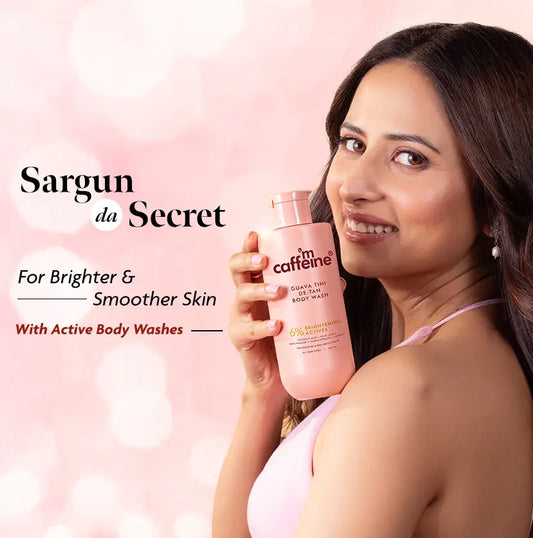
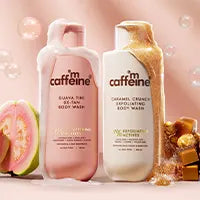
The Exfoliating Caramel Crunch Body Wash combines cleansing with mild exfoliation in a format that works with daily showers. For tan and dullness concerns, the Guava Tini De-Tan Body Wash brightens while addressing pigmentation without harsh scrubbing.
The Coffee Body Scrub Difference
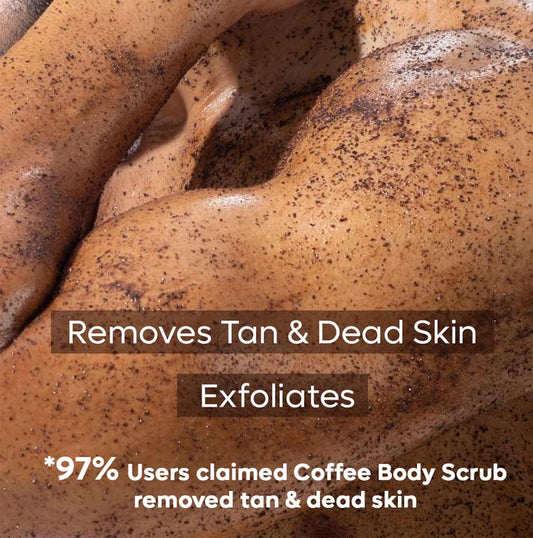
Here's where things get interesting. Not all physical scrubs cause problems. A coffee body scrub offers something traditional scrubs don't: active skincare benefits beyond just removing dead cells.
According to research published in Skin Pharmacology and Physiology, caffeine applied topically has antioxidant properties and can improve blood circulation. The polyphenols in coffee grounds fight free radical damage while the texture provides moderate exfoliation.
Coffee grounds are generally less sharp than crushed nut shells or salt crystals. The particles buff skin without creating the micro-tears associated with harsher scrubs. Plus, caffeine temporarily tightens skin and can reduce puffiness.
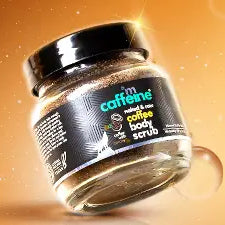
The Coffee Body Scrub uses Pure Arabica Coffee for exfoliation that actually benefits skin beyond just smoothing it. The Caffeine content works as an antioxidant while the texture handles dead cells and tan.
For people who enjoy the ritual of physical exfoliation but need something gentler, coffee-based options often work where other scrubs fail.
How to Choose the Right Method
Picking the best exfoliation approach requires honesty about the skin's current state.
Start Gentle
If scrubs have caused problems before, begin with enzyme masks or PHA products. Use them once weekly and watch how your skin responds before increasing frequency.
Pay Attention to Frequency
Most dermatologists recommend exfoliating sensitive skin once every 7-10 days. Normal to oily skin can handle 2-3 sessions weekly. More isn't better if skin starts reacting.
Never Skip Moisturizer
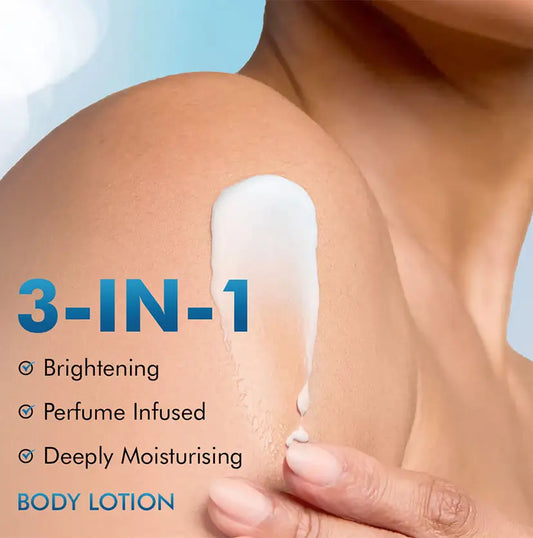
Any form of exfoliation leaves skin temporarily more vulnerable. Following up with hydration restores balance. The 10% Magnesium Body Lotion supports skin barrier repair while moisturizing, and the Sweet Escape Perfume Body Lotion adds fragrance along with hydration.
Protect Afterward
Exfoliation increases sun sensitivity. The Brightening Raspberry SPF 50 PA+++ Body Sunscreen Lotion is essential for any exfoliated areas exposed to sunlight.
Signs the Current Method Isn't Working
Watch for these indicators that something needs to change:
-
Redness lasting more than an hour after exfoliating
-
Skin feeling tight or uncomfortable
-
Increased breakouts or texture issues
-
Flaking that gets worse instead of better
-
Visible irritation or raw patches
Any of these signals means skin needs a gentler approach. Pushing through discomfort damages the barrier further, making everything harder to fix.
Finding What Works
Body scrubs aren't inherently bad. They're just not universal. Some skin types handle them beautifully. Others need alternatives.
The key is paying attention to how skin actually responds rather than how it's "supposed" to respond. Whether that means switching to chemical exfoliants, trying enzyme masks, using gentler body washes, or finding a well-formulated coffee body scrub, the goal stays the same: smoother, healthier skin without the irritation.
FAQS
Q1. Can body scrubs be used on sensitive skin at all?
Some people with sensitive skin tolerate very gentle scrubs used sparingly (once every 1-2 weeks). However, enzyme exfoliants or PHA-based products usually work better. Always patch test first and stop immediately if irritation occurs.
Q2. How often should body exfoliation happen?
Depends on skin type and method. Sensitive skin benefits from once weekly maximum. Normal skin handles 2-3 times weekly. Start with less frequent sessions and increase only if skin responds well without redness or irritation.
Q3. Are coffee scrubs gentler than sugar or salt scrubs?
Generally yes. Coffee grounds tend to be less sharp than salt crystals and offer antioxidant benefits that sugar and salt lack. However, any physical scrub can irritate very sensitive skin. Pay attention to how the skin reacts.
Q4. What's the gentlest exfoliation method available?
Enzyme-based products using papaya or pineapple extracts are among the gentlest. PHAs also provide extremely mild exfoliation suitable for highly reactive or post-procedure skin.
Q5. Can over-exfoliation be reversed?
Yes, but it takes time. Stop all exfoliation for 2-4 weeks, focus on gentle cleansing and heavy moisturizing, and let the skin barrier repair itself. Introduce exfoliation again slowly once skin calms down.
Also Read
How to Use Body Scrub - Step-by-step Guide by mCaffeine
Body Scrub vs. Body Wash: Which is Right for Your Skin?

Best Hydrating Body Care Kit for Daily Use in India
20 Aug 2026
mCaffeine Coffee Body Scrub vs Ubtan: What to Choose, When and Why
18 Aug 2026
Top 5 Tan Removal Products in India That Actually Work (2026)
13 Aug 2026

How to Get Even Skin Tone on Your Body: A 4-Week Routine Plan
06 Jun 2026
