

YOUR CART IS EMPTY
Continue shopping

















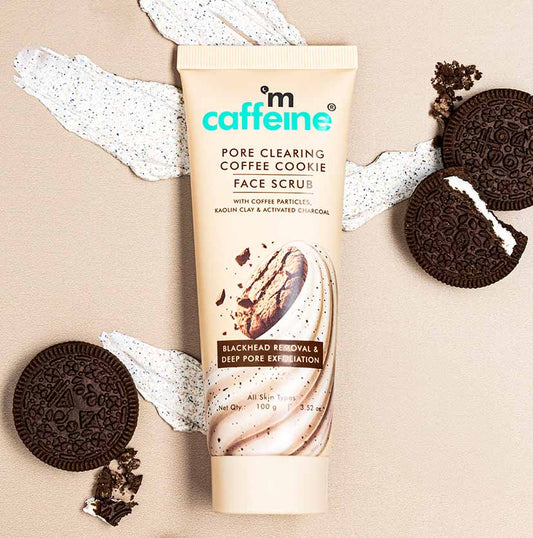

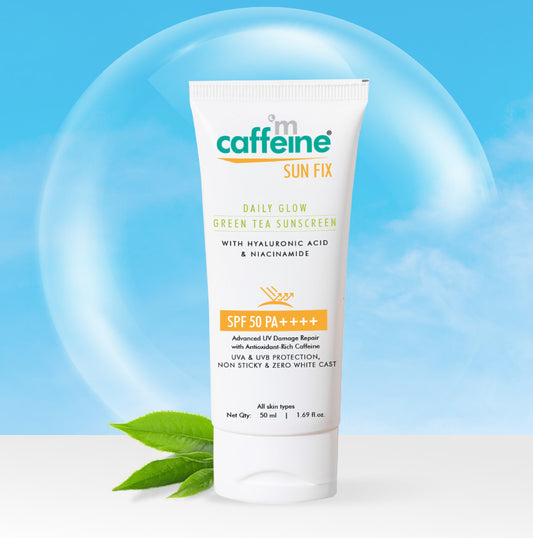







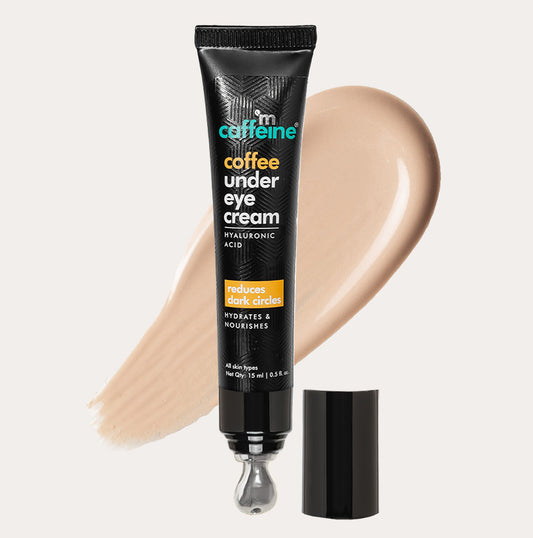

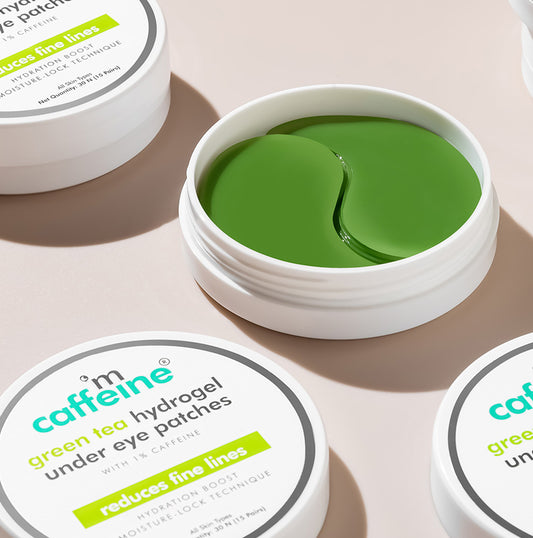


Sustainable Beauty: How to Build an Eco-Friendly Skincare Routine
13 Jan 2026
The beauty industry is undergoing a major shift. More people are questioning what goes into their products and how those choices affect the planet. A sustainable skincare routine is no longer niche. With the global sustainable beauty market projected to reach USD 433.2 billion by 2034, consumers vote with their wallets for cleaner options.
Creating a vegan skincare routine that benefits both your skin and the environment? Simpler than you think.
What Makes Skincare Sustainable?
Sustainable skincare goes beyond just the ingredients inside the bottle. A truly eco-friendly approach considers every step of the product lifecycle, from sourcing to disposal.
Three core pillars define sustainable beauty. Ethical sourcing means ingredients harvested with respect for workers, wildlife, and local communities. Cruelty-free practices ensure no animal testing at any stage of product development. Eco packaging includes materials that are recyclable, refillable, or compostable.
When shopping for sustainable products, look for certifications like USDA Organic, Fair Trade, and Leaping Bunny. Research confirms that third-party verification helps consumers identify brands meeting specific ethical and environmental standards.
Start With a Product Audit
Before buying anything new, take stock of what you already own. Pull out your current skincare products and examine each one.
Check for ingredient lists with petroleum derivatives, microbeads, or synthetic fragrances. Look for non-recyclable plastic packaging. Identify products from brands with questionable testing practices.
Use up what you have before making new purchases. Throwing away half-used products creates waste and defeats the purpose of going sustainable. Once you finish a product, research eco-friendly alternatives before replacing it.
Choose Multi-Purpose Products
Reducing your environmental footprint starts with simplifying your routine. Instead of ten different products, look for versatile formulas addressing multiple concerns.
The Coffee Body Lotion combines deep hydration with caffeine's energizing benefits in one formula. Multi-purpose items mean less packaging, fewer shipments, and smaller carbon footprints.
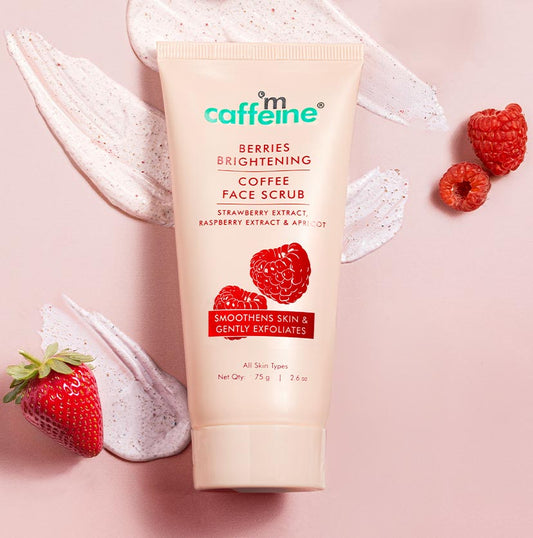
Consider these swaps: tinted moisturizer with SPF instead of separate products. An exfoliating cleanser like the Coffee Face Wash instead of a separate scrub and face wash.
Prioritize Sustainable Packaging
Packaging accounts for a significant portion of beauty industry waste. According to surveys, 73% of respondents prefer skincare products with sustainable packaging.
Look for products packaged in glass containers that can be recycled indefinitely. Aluminum tubes and tins work well, too. Paper or cardboard boxes, refillable containers, and package-free solid bars all reduce environmental impact.
Avoid single-use sachets and products wrapped in multiple layers of plastic. When possible, choose brands that offer refill programs or take-back schemes for empty containers. Vegan skincare brands like mCaffeine have achieved a Zero Plastic Footprint by offsetting plastic usage and improving packaging sustainability.
Embrace Vegan Skincare
Vegan skincare products exclude all animal-derived ingredients, from beeswax to lanolin to collagen. Plant-based formulas in vegan skincare often work better for sensitive skin types, going beyond just ethical considerations.
Animal-derived ingredients like collagen can be heavy and pore-clogging. Plant alternatives tend to be lighter and more compatible with various skin types. Studies show that plant extracts offer comparable or superior benefits to synthetic alternatives.
Common vegan substitutes include plant-based squalane instead of shark-derived squalane. Candelilla or carnauba wax replaces beeswax. Phytoceramides work better than animal ceramides.
The global vegan beauty market is expected to reach $20.8 billion by 2025, reflecting growing consumer demand for cruelty-free options.
Make Reusable Swaps
Single-use items create unnecessary waste. Simple switches dramatically reduce trash from your beauty routine.
Replace disposables with reusables: washable cotton pads instead of single-use rounds, stainless steel razors instead of plastic disposables, bamboo-handled brushes instead of plastic ones, and reusable silicone sheet masks instead of paper masks.
A small upfront investment saves money and resources over time. Reusable cotton rounds last for years while eliminating hundreds of disposables.
Read Ingredient Labels Carefully
Not all "natural" or "green" products live up to their marketing claims. Greenwashing remains a persistent problem in the beauty industry.
Avoid products containing microbeads and microplastics, often listed as polyethylene or polypropylene. Skip parabens, phthalates, and synthetic fragrances. Watch for palm oil from unsustainable sources.
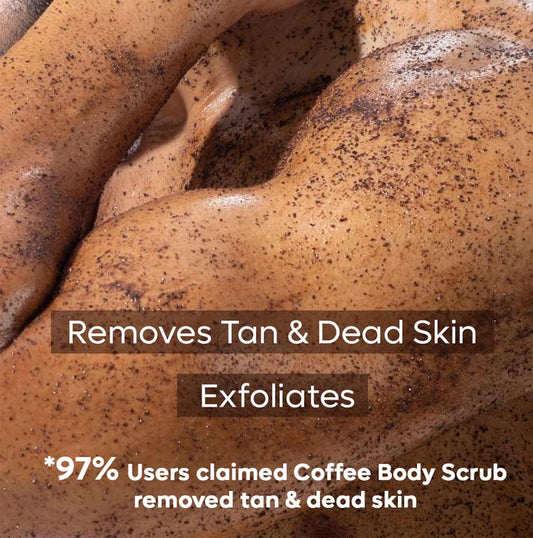
Look for products with short, recognizable ingredient lists. Coffee-based skincare like the Coffee Body Scrub uses natural exfoliants, coffee grounds, and walnut shells that decompose safely. Natural exfoliants provide effective results without environmental harm.
Support Transparent Brands
The brands you support matter as much as the products you choose. Research companies before purchasing to ensure their values align with yours and your sustainable skincare goals.
Sustainable skincare brands typically publish full ingredient lists and sourcing information. Using renewable energy in manufacturing matters. Offsetting carbon emissions shows real commitment. Avoiding animal testing even where legally required, proves genuine values.
Many companies now publish annual sustainability reports detailing their environmental initiatives. mCaffeine maintains full transparency about practices, formulations, and sustainability goals. Take time to research brands and hold them accountable to stated commitments.
Build Your Sustainable Routine
Creating your sustainable skincare routine starts with conscious choices. A morning sustainable skincare routine begins with the Coffee Face Wash, which cleanses while energizing skin with natural caffeine. Coffee's antioxidants protect skin from free radical damage.
For exfoliation, Coffee Body Scrub brightens skin, reduces cellulite, removes tan, and fights ingrown hairs. One product replaces multiple treatments while using natural ingredients that decompose safely.
Finish with concentrated formulas like the Face Serum. Less water means smaller packaging, longer-lasting products, and reduced shipping emissions.
A vegan skincare routine built on plant-based actives delivers results without compromising ethics or effectiveness. Vegan skincare with coffee-powered formulas proves you don't need animal ingredients for gorgeous, healthy skin.
FAQS
Q1. How do I know if a product is truly sustainable?
Look for third-party certifications like USDA Organic, Leaping Bunny, or B Corp. Check the ingredient list for harmful chemicals and evaluate the packaging materials. Research the brand's overall practices, including their supply chain and manufacturing processes. Genuine sustainable skincare brands openly share their environmental initiatives and continuously improve.
Q2. Can vegan skincare be as effective as traditional products?
Yes. The most effective active ingredients in skincare, including vitamin C, niacinamide, and peptides, are already vegan-friendly. Plant-based antioxidants and botanical extracts deliver powerful results without animal-derived ingredients. Coffee, for example, provides potent antioxidants that rival any synthetic alternative while being completely natural.
Q3. What should I do with my current non-sustainable products?
Use them up before switching to eco-friendly alternatives. Throwing away usable products creates waste. Once empty, recycle the containers if possible or check if brands offer take-back programs. Starting a sustainable skincare routine means making gradual changes, not creating immediate waste.
Q4. Is sustainable skincare more expensive?
Initial costs may be higher, but sustainable products often last longer and work more effectively. Multi-purpose products and reusable tools save money over time. Vegan skincare from brands like mCaffeine offers affordable options without compromising quality. Consider sustainable beauty an investment in both your skin and the planet.
Q5. Why choose coffee-based skincare for sustainability?
Coffee is remarkably sustainable. Growing on shrubs that prevent soil erosion, often in biodiverse shade systems, coffee cultivation supports environmental health. Coffee by-products, like grounds used in scrubs, repurpose waste materials. Plus, caffeine's proven skincare benefits mean effective results from a renewable, ethical ingredient.
Also Read
Types of Skin Care Products: What You Should Use
10 Pro Skincare Hacks for Radiant, Glowing Skin

Best Hydrating Body Care Kit for Daily Use in India
20 Aug 2026
mCaffeine Coffee Body Scrub vs Ubtan: What to Choose, When and Why
18 Aug 2026
Top 5 Tan Removal Products in India That Actually Work (2026)
13 Aug 2026

How to Get Even Skin Tone on Your Body: A 4-Week Routine Plan
06 Jun 2026
