

YOUR CART IS EMPTY
Continue shopping


























Stress and Skin: How Your Mental Health Affects Your Complexion
02 Jan 2026
You wake up before a big presentation, glance in the mirror, and spot a fresh breakout. Coincidence? Not quite.
The connection between your mental state and your complexion runs deeper than you think. When stress hits, your body launches hormonal responses that directly impact your skin. Understanding stress effects on skin helps you take control of both your mental wellness and your skincare routine.
The Science Behind Stress and Your Skin
Your brain and skin communicate through the hypothalamus-pituitary-adrenal (HPA) axis. When you experience stress, your hypothalamus releases corticotropin-releasing hormone (CRH), triggering a chain reaction ending with your adrenal glands pumping out cortisol and other skin-affecting hormones.
Cortisol, often called the "stress hormone," regulates numerous bodily functions. When stress becomes chronic, elevated cortisol levels wreak havoc on your complexion. A 2021 study in the International Journal of Molecular Sciences confirmed that psychological stress contributes to premature skin aging through cortisol release.
What Cortisol Does to Your Complexion
Elevated cortisol from chronic stress damages your skin in several ways:
Increased sebum production clogs pores and triggers breakouts. Weakened skin barrier function leads to dehydration. Reduced collagen synthesis accelerates visible aging. Slower wound healing extends recovery time from blemishes. Heightened inflammation throughout the body shows up as redness and sensitivity.
Stress effects on skin become visible when your body's natural balance gets disrupted. The Coffee Face Wash helps counteract excess oil production with natural caffeine that energizes while cleansing deeply.
How Stress Triggers Breakouts
Acne and stress share a frustrating relationship. When cortisol levels spike, your sebaceous glands go into overdrive, producing excess oil that combines with dead skin cells to block pores.
Research published in the Archives of Dermatology supports this connection. A cross-sectional study of 144 female medical students found that increased stress severity strongly correlated with increased acne severity, with statistical significance at p<0.01.
CRH itself stimulates sebaceous gland lipid production. Studies have shown higher CRH expression in the sebaceous glands of acne-prone skin compared to normal skin, creating conditions where stress directly fuels breakouts.
Breaking the Breakout Cycle
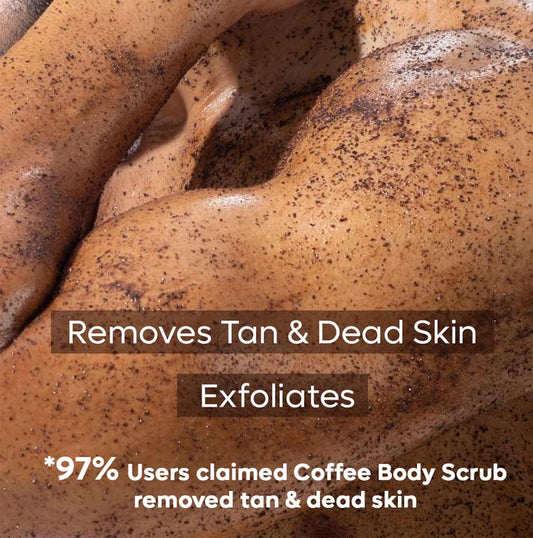
Managing stress effects on skin starts with a consistent routine. The Coffee Body Scrub uses natural coffee grounds to exfoliate dead cells and unclog pores without stripping your skin. Gentle exfoliation helps prevent the congestion that cortisol-driven oil production can cause.
Beyond Breakouts: Other Ways Stress Shows Up
Acne represents just one way stress manifests on your face. Chronic stress can trigger or worsen multiple skin conditions that go beyond simple pimples.
Eczema and Psoriasis Flare-Ups
Stress-induced inflammation can activate dormant skin conditions. Cortisol disrupts your immune system's delicate balance, potentially triggering flare-ups in those prone to eczema or psoriasis. Research in the Journal of Investigative Dermatology shows that psychological stress directly impacts skin immune function.
Compromised Skin Barrier
Your epidermis acts as a protective shield, locking in moisture and keeping irritants out. Elevated cortisol decreases lipids and structural proteins in the epidermal layers.
A study in Acta Dermato-Venereologica found that stress effects on skin include reduced hydration, increased water loss, and greater sensitivity to environmental stressors.
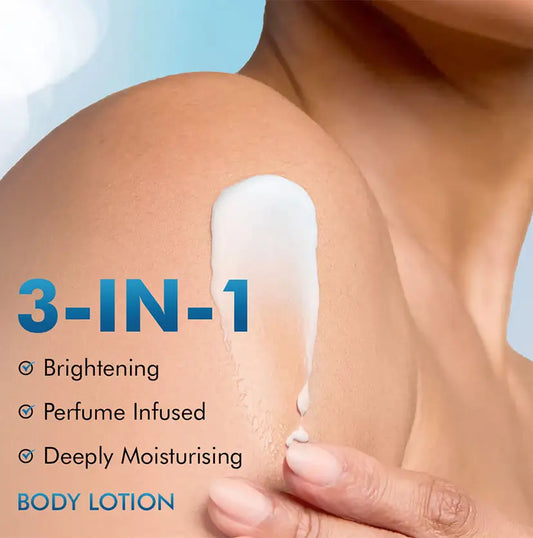
A compromised barrier leaves your complexion feeling tight and reactive. A Body Lotion replenishes lost moisture while caffeine's antioxidants help strengthen your skin's natural defenses.
Slower Healing and Accelerated Aging
Caregivers experiencing chronic stress showed 20% longer wound healing times than non-caregivers. Research in Brain, Behavior, and Immunity confirmed that glucocorticoid elevation from chronic stress reduces collagen production significantly.
Stress effects on skin appear as fine lines, dullness, and loss of elasticity when cortisol breaks down collagen faster than your body produces it.
Breaking the Stress-Skin Cycle
Managing stress becomes essential for healthy skin. Your mental state directly impacts your complexion through hormonal pathways.
Establish a Calming Skincare Routine
A simple routine gives you control when life feels chaotic. The Coffee Face Serum delivers concentrated caffeine and antioxidants to combat stress effects on skin while creating a self-care moment.
Prioritize Sleep Quality
Your skin repairs itself during sleep. Chronic sleep deprivation elevates cortisol, creating a cycle where poor sleep damages skin. Aim for 7-9 hours of quality rest to give your complexion time to recover.
Move Your Body Regularly
Exercise reduces cortisol levels and improves circulation, delivering oxygen and nutrients to skin cells. Even a 20-minute walk can make a difference in how your skin looks and feels.
Physical activity also helps process stress hormones before they accumulate to damaging levels.
Practice Stress-Reduction Techniques
Dermatologists increasingly recommend incorporating mindfulness practices into skin health plans. Options that lower cortisol include deep breathing, meditation, yoga, and journaling.
Protecting Stressed Skin Daily
Stressed skin needs extra protection. UV exposure compounds damage by generating free radicals and accelerating collagen breakdown, exactly what cortisol already does to your complexion.
Morning Defense
Start your day with the Face Wash to cleanse without stripping natural oils. Caffeine's anti-inflammatory properties help counteract stress effects on skin while waking up tired complexions. Follow with broad-spectrum sunscreen to prevent the double hit of stress plus sun exposure.
Evening Recovery
Night routines matter for stress recovery. A Body Wash transforms your shower into a sensory experience, combining effective cleansing with aromatherapy benefits. Gentle exfoliation removes the day's buildup while caffeine supports circulation for overnight repair.
Your Skin Reflects Your Inner State
The bidirectional relationship between stress and skin means that caring for one supports the other. Managing cortisol through lifestyle changes while maintaining consistent skincare creates lasting improvements.
Stress effects on skin don't have to be permanent. With the right approach combining mental wellness and targeted skincare, you can protect your complexion even during challenging moments.
Ready to give your skin stress-fighting support? Explore mCaffeine's complete range of caffeine-powered skincare designed to energize, protect, and restore your complexion.
FAQS
Q1. Can stress cause permanent skin damage?
Chronic, unmanaged stress can contribute to premature aging through collagen degradation and barrier dysfunction. However, addressing stress effects on skin through proper skincare and stress management can significantly mitigate long-term effects. Cortisol damage is reversible when you take action early.
Q2. How quickly does stress show up on your complexion?
Acute stress can trigger breakouts within 24-48 hours as cortisol levels spike and stimulate oil production. Chronic stress may take weeks to manifest as persistent issues like dullness, sensitivity, or recurring inflammation. The timeline varies based on individual stress responses and existing skin conditions.
Q3. Does reducing stress improve existing skin conditions?
Yes. incorporating stress-reduction strategies into treatment plans enhances outcomes for various dermatological conditions, from acne to wound healing. Lowering cortisol through lifestyle changes allows your skin's natural repair processes to function optimally.
Q4. Should I change my skincare routine during stressful periods?
During high-stress periods, focus on gentle, hydrating products that support your skin barrier. Avoid introducing new actives that might irritate already-sensitized skin. Coffee-based products from mCaffeine provide antioxidant protection without harsh ingredients, making them ideal for stressed complexions.
Q5. How does caffeine help combat stress effects on skin?
Caffeine provides powerful antioxidant protection against free radical damage while improving circulation to deliver nutrients to skin cells. Topical caffeine has anti-inflammatory properties that counteract stress effects on skin, reducing redness and supporting your skin's natural repair processes without harsh chemicals.
Also Read
Body Care De-stress Essentials For An At-home Spa Experience
A De-stressing Rakhi Gift - 2026 Edition
Common Daily Routines That Secretly Make Your Skin Look Dull

Best Hydrating Body Care Kit for Daily Use in India
20 Aug 2026
mCaffeine Coffee Body Scrub vs Ubtan: What to Choose, When and Why
18 Aug 2026
Top 5 Tan Removal Products in India That Actually Work (2026)
13 Aug 2026

How to Get Even Skin Tone on Your Body: A 4-Week Routine Plan
06 Jun 2026
