

YOUR CART IS EMPTY
Continue shopping





























Can Salicylic Acid Help You Say Goodbye to Dark Spots?
03 Jan 2025
Key Takeaways
- Salicylic acid for dark spots works by exfoliating dead skin cells and accelerating cell turnover to fade hyperpigmentation.
- Understanding salicylic acid uses for skin includes treating acne, unclogging pores, and reducing post-inflammatory hyperpigmentation.
- Using salicylic acid for pigmentation requires patience; visible results typically take several weeks to months of consistent use.
- The multiple salicylic acid uses make it a versatile ingredient for oily, acne-prone, and combination skin types.
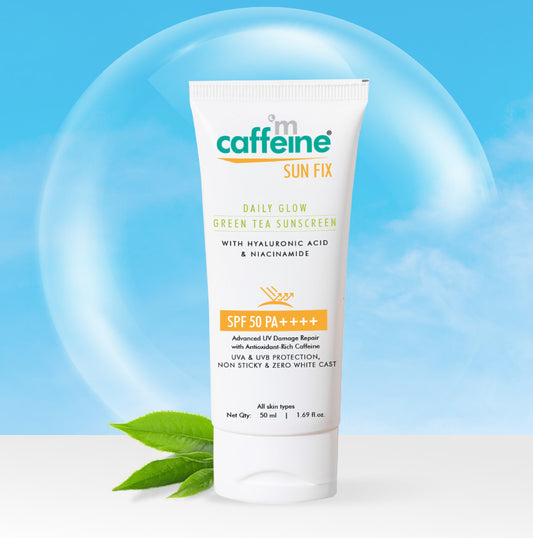
- Always pair salicylic acid for dark spots with daily sunscreen to prevent further hyperpigmentation and protect newly revealed skin.
- Start with lower concentrations (0.5-2%) to allow your skin to adjust and maximize the salicylic acid uses for skin benefits
Dark spots on the skin can be a source of frustration for many. These patches, often resulting from acne scars, sun damage, or hyperpigmentation, may affect one's confidence. If you're wondering about salicylic acid for dark spots and whether it can help, you're not alone.
Salicylic acid, a prominent ingredient in skincare, has been touted as a potential solution. The various salicylic acid uses make it a popular choice for treating multiple skin concerns. But can it truly help fade those stubborn spots? Let's delve into the science of salicylic acid for pigmentation and find out.
Understanding Dark Spots
Dark spots, medically known as hyperpigmentation, occur when certain areas of the skin produce more melanin than usual. Melanin is the pigment responsible for our skin color. Excessive production can lead to patches that appear darker than the surrounding skin. Understanding this is crucial before exploring salicylic acid uses for skin treatment.
Causes of Dark Spots
- Prolonged exposure to ultraviolet (UV) rays can lead to sun damage, resulting in liver spots or sunspots.
- Inflammation from acne or injuries can trigger excess melanin production.
- Fluctuations in hormones, especially during pregnancy, can cause melasma, leading to hyperpigmentation.
- Certain drugs may increase skin pigmentation as a side effect.
Understanding the root cause is essential in determining the most effective treatment options, including whether salicylic acid for pigmentation is right for you.
The Power of Salicylic Acid
Salicylic acid, a beta-hydroxy acid (BHA), is a well-known active ingredient in many skincare products. Renowned for its ability to exfoliate the skin and unclog pores, it has become a staple for addressing various skin concerns. The salicylic acid uses extend far beyond simple cleansing.
How Does Salicylic Acid Work?
Understanding salicylic acid uses for skin starts with knowing how it works:
- Exfoliates Dead Skin Cells: By penetrating the outer layer of the skin, salicylic acid helps remove dead skin cells, promoting the growth of new, healthy cells. This is one of the primary salicylic acid uses.
- Unclogs Pores: It dissolves excess sebum and debris within pores, reducing acne and preventing future breakouts.
-
Reduces Inflammation: Its anti-inflammatory properties soothe irritated skin, which can minimize post-inflammatory hyperpigmentation, making salicylic acid for pigmentation highly effective.
Salicylic Acid and Dark Spots
Regular use of salicylic acid for dark spots may lead to a gradual reduction in the appearance of hyperpigmentation. Accelerating skin cell turnover, it helps fade dark spots over time. Incorporating products with salicylic acid into your routine might be the key to achieving a more even skin tone. The salicylic acid uses for skin include this powerful brightening benefit.
Real Results: Before and After
Many individuals have reported noticeable improvements in their skin after consistent use of salicylic acid for pigmentation products. Benefits often include:
- Lightened Dark Spots: A visible reduction in hyperpigmentation, leading to a more even complexion a key benefit of salicylic acid for dark spots.
- Improved Skin Texture: Smoother skin due to the exfoliating action on dead skin cells.
-
Reduced Acne Scars: Diminished appearance of certain types of acne scars, particularly superficial ones.
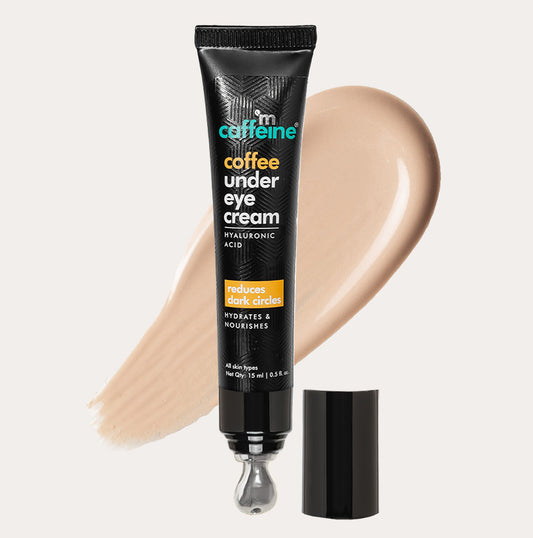
It's important to note that results may vary based on skin type and the severity of the dark spots. Patience and consistency are crucial when using salicylic acid for skin treatments, as it might take several weeks to months to see significant changes. To complement your skincare routine, our Coffee Under Eye Cream is specially formulated to help brighten the under-eye area and reduce the appearance of dark spots with regular use.

Does Salicylic Acid Help Hyperpigmentation?
Yes, salicylic acid for pigmentation can help with hyperpigmentation. As a beta hydroxy acid (BHA), it exfoliates the skin by removing dead skin cells and promoting cell turnover. This process can gradually fade areas of excess pigmentation, such as those caused by acne, sun damage, or inflammation.
Salicylic acid uses also include unclogging pores and reducing inflammation, which can prevent further dark spots from forming. However, salicylic acid for dark spots works best for mild hyperpigmentation and may take several weeks to show visible results. For more stubborn or deep pigmentation, combining salicylic acid with other ingredients like niacinamide, vitamin C, or professional treatments may be more effective.
Always use sunscreen when treating hyperpigmentation with salicylic acid uses for skin products, as sun exposure can worsen dark spots.
Does Salicylic Acid Remove Dark Circles?
While salicylic acid for dark spots on the face is effective, it is not recommended for treating dark circles under the eyes. Dark circles are usually caused by genetics, thin skin, blood vessel visibility, or pigmentation, not clogged pores or dead skin buildup.
The skin around the eyes is very delicate, and salicylic acid use can be too harsh for this area, potentially causing irritation or dryness. Instead, look for eye creams containing ingredients like vitamin C, retinol, peptides, or caffeine, which are more suitable for addressing dark circles. Always patch-test new products and avoid using strong acids near the eyes unless directed by a dermatologist.
Is Salicylic Acid Good for Dark Circles?
No, while salicylic acid uses for skin are extensive, it is not good for dark circles. Its exfoliating properties are designed for thicker facial skin, especially for treating acne and hyperpigmentation. The under-eye area is sensitive and prone to irritation, so using salicylic acid here can lead to redness, dryness, or even worsen the appearance of dark circles.
Instead, use gentle, hydrating, and brightening ingredients specifically formulated for the eye area. Reserve salicylic acid for pigmentation treatment on other facial areas.
Can Salicylic Acid Remove Pigmentation?
Salicylic acid for pigmentation can help lighten mild pigmentation by exfoliating the skin and speeding up the removal of pigmented, damaged cells. Regular use of salicylic acid for dark spots can gradually even out skin tone and reduce the appearance of spots caused by acne or sun exposure.
However, it may be less effective for deep or stubborn pigmentation, which might require stronger treatments or a combination of actives. Consistent use of salicylic acid uses for skin products, combined with sun protection, yields the best results.
Does Salicylic Acid Remove Acne Dark Spots?
Yes, salicylic acid for dark spots is effective for fading acne dark spots (post-inflammatory hyperpigmentation). Its exfoliating action helps remove the top layer of skin, where dark spots reside, and encourages new, even-toned skin to emerge. Over time, salicylic acid use can significantly lighten acne marks.
For best results, use salicylic acid for pigmentation as part of a well-rounded skincare routine and always apply sunscreen to prevent further darkening of spots.
Can Salicylic Acid Remove Hyperpigmentation?
Salicylic acid uses for skin include helping reduce hyperpigmentation, especially that caused by acne or surface-level skin damage. By promoting gentle exfoliation and cell renewal, salicylic acid for dark spots gradually fades dark patches and improves overall skin clarity. Patience is key, as results may take several weeks.
For deeper pigmentation, consult a dermatologist for additional treatment options alongside your salicylic acid for pigmentation routine.
Does Salicylic Acid Remove Black Spots?
Salicylic acid for dark spots can help fade black spots, particularly those resulting from acne or mild skin injury. The salicylic acid uses include exfoliating and clearing away dead skin cells, making it effective for evening out skin tone and lightening dark spots over time.
Consistent use of salicylic acid uses for skin products, paired with sun protection, will maximize results and prevent new spots from forming.
Expert Tips for Using Salicylic Acid
Dermatologists often recommend incorporating salicylic acid for pigmentation into skincare routines, especially for those dealing with acne and hyperpigmentation. Here are some tips to maximize the salicylic acid uses for skin effectiveness:
Start with Lower Concentrations
Salicylic acid can be quite potent. Starting with a lower concentration allows your skin to adjust to the acid without causing excessive irritation. This is essential for maximizing salicylic acid for dark spot benefits.
Look for products containing salicylic acid in concentrations between 0.5% to 2%. This range is generally effective yet mild enough for most people starting with salicylic acid use. Observe how your skin reacts over a few weeks, and consider increasing the concentration if your skin responds well and requires stronger treatment.
Use Sunscreen Daily
When using salicylic acid for pigmentation, sunscreen is essential. Salicylic acid exfoliates by loosening the bonds between dead skin cells, which can increase your skin's vulnerability to ultraviolet (UV) rays, leading to heightened sun sensitivity.
Apply a broad-spectrum sunscreen with at least SPF 30 every morning, regardless of whether you plan to spend time outdoors. Reapply every two hours if you are outside to protect your skin from potential sunburn and photoaging while using salicylic acid uses for skin treatments.
Moisturize Regularly
While salicylic acid for dark spots is effective in removing excess oil and skin cells, it can also strip the skin of moisture, leading to dryness and irritation.
Use a non-comedogenic, hydrating moisturizer after applying salicylic acid uses treatments. Look for moisturizers with ingredients like hyaluronic acid or glycerin, which bind moisture to the skin without clogging pores.
Avoid Over-Exfoliation
Using multiple exfoliating agents simultaneously can strip the skin barrier, leading to redness, irritation, and increased sensitivity. This can counteract the benefits of salicylic acid for pigmentation.
If you're using salicylic acid for skin products, limit or avoid using other physical or chemical exfoliants, such as scrubs or products containing alpha hydroxy acids (AHAs) like glycolic acid. This helps prevent the skin from becoming overly irritated and compromised.
Incorporate Soothing Treatments
Since salicylic acid for dark spot treatment can be drying, incorporating products that soothe and hydrate the skin can enhance your routine.
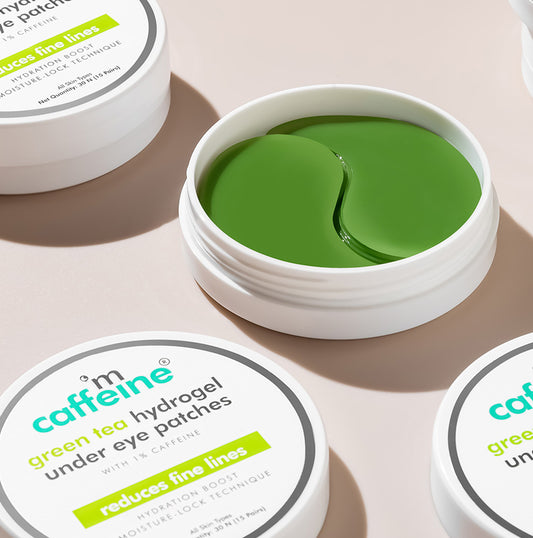
Products like Green Tea Under Eye Cream can be particularly beneficial. Green tea offers antioxidant and soothing properties, which help reduce inflammation and calm the skin, making it a perfect complement to salicylic acid treatments, especially around the sensitive eye area.
Alternative Treatments for Dark Spots
While salicylic acid for dark spots can be effective, exploring additional treatment options may enhance results:
- Glycolic Acid: An alpha-hydroxy acid (AHA) that exfoliates the skin's surface, aiding in the reduction of dark spots.
- Kojic Acid: Derived from fungi, it inhibits melanin production, helping to lighten hyperpigmentation.
- Chemical Peels: Professional treatments that remove the top layers of skin, promoting regeneration.
- Laser Therapy: Targets deeper layers of the skin to reduce dark spots, though it may require multiple sessions.
- Sun Protective Measures: Wearing sunscreen and protective clothing to prevent further sun damage.
Combining treatments with salicylic acid for pigmentation should be done cautiously. Consulting with a dermatologist can help tailor a plan suited to your skin's needs alongside your salicylic acid use routine.
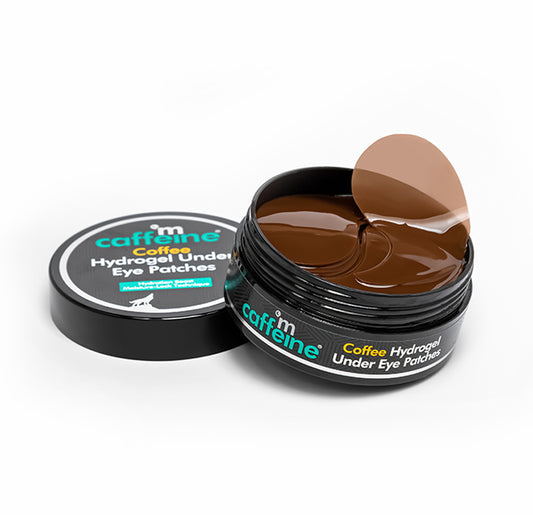
Experience instant depuffing with our Coffee Hydrogel Under Eye Patches with Caffeine & HA and give your eyes the refresh they deserve.
Conclusion
Salicylic acid for dark spots presents a promising option for those looking to diminish dark spots and achieve a clearer complexion. The multiple salicylic acid uses, including exfoliation, pore unclogging, and inflammation reduction, make it a versatile addition to skincare routines.
While salicylic acid for pigmentation may not provide overnight results, consistent use, coupled with sun protection and proper skincare practices, can lead to noticeable improvements. Understanding salicylic acid uses for skin helps you maximize benefits and achieve the radiant skin you deserve.
Embark on your journey to brighter skin with mCaffeine's range of caffeinated skincare products.
FAQs
Q1: How long does it take for salicylic acid to fade dark spots?
Typically, salicylic acid for dark spots may take several weeks to a few months of consistent use to see significant fading. Patience and regular application of salicylic acid uses for skin products are key to achieving results.
Q2: Can salicylic acid be used on all skin types?
The salicylic acid uses are generally suitable for oily and acne-prone skin. Those with dry or sensitive skin should use salicylic acid for pigmentation cautiously and may opt for lower concentrations.
Q3: Are there side effects to using salicylic acid?
Some individuals may experience dryness, redness, or skin irritation when using salicylic acid uses for skin products. It's advisable to start with lower concentrations and perform a patch test before full application of salicylic acid for dark spot treatments.
Q4: Is it safe to use salicylic acid daily?
Depending on your skin's tolerance, salicylic acid uses can be incorporated daily. Monitoring your skin's response and consulting with a dermatologist can help determine the best frequency for salicylic acid for pigmentation treatment.
Q5: Should I discontinue salicylic acid if my skin becomes irritated?
If irritation occurs while using salicylic acid for dark spots, reduce the frequency of use or discontinue temporarily. If severe irritation persists, consult a skincare professional for guidance on your salicylic acid use for your skin routine.
Q6: Does salicylic acid remove dark spots?
Yes, salicylic acid for dark spots can help remove them over time. It works by exfoliating the outer layer of skin, promoting cell turnover, and gradually fading hyperpigmentation. The salicylic acid uses are particularly effective for post-acne dark spots and mild sun damage. Results typically appear after several weeks of consistent use with proper sun protection.
Q7: What does salicylic acid do?
The salicylic acids for skin are numerous. It's a beta hydroxy acid (BHA) that penetrates deep into pores to dissolve excess sebum and dead skin cells. Key salicylic acid uses include treating acne, preventing breakouts, reducing inflammation, exfoliating skin, and fading dark spots. Salicylic acid for pigmentation works by accelerating cell renewal to reveal brighter, more even-toned skin.
Q8: How to get rid of pigmentation on the face?
To get rid of facial pigmentation, use salicylic acid for pigmentation as part of a comprehensive routine. Start with a gentle cleanser, apply salicylic acid for dark spots treatment, follow with a hydrating moisturizer, and always use SPF 30+ sunscreen. Combine with other brightening ingredients like vitamin C or niacinamide for enhanced results. Be patient, the salicylic acid uses for skin take time to show visible improvement.
Q9: Does salicylic acid darken skin?
No, salicylic acid uses for skin do not darken the skin when used correctly. However, salicylic acid increases sun sensitivity, and unprotected sun exposure after use CAN cause darkening or worsen pigmentation. To prevent this, always apply sunscreen when using salicylic acid for dark spot treatments. With proper sun protection, salicylic acid for pigmentation will brighten, not darken, your skin.
Q10: Is salicylic acid good for the face?
Yes, salicylic acid uses are excellent for facial skincare, especially for oily, acne-prone, and combination skin types. Salicylic acid for dark spots and acne is highly effective because it penetrates pores to clear blockages. The salicylic acid uses for skin include reducing breakouts, minimizing pore appearance, fading dark spots, and improving overall skin texture. Start with lower concentrations and always moisturize after use.
Join the mCaffeine Community
At mCaffeine, India's first caffeinated personal care brand, we believe in celebrating your natural beauty. Our products are 100% vegan, cruelty-free, and infused with the goodness of caffeine. Embrace confidence over skin biases and let your skin glow with health and vitality. Discover how our products complement your salicylic acid for pigmentation routine.

Best Hydrating Body Care Kit for Daily Use in India
20 Aug 2026
mCaffeine Coffee Body Scrub vs Ubtan: What to Choose, When and Why
18 Aug 2026
Top 5 Tan Removal Products in India That Actually Work (2026)
13 Aug 2026

How to Get Even Skin Tone on Your Body: A 4-Week Routine Plan
06 Jun 2026
