

YOUR CART IS EMPTY
Continue shopping

























Best Tan Removal Products That Actually Work in the Indian Climate
08 Jan 2026
Living in India means fighting tan is basically a full-time job. The sun doesn't take days off here. Neither does the humidity. Or the pollution. Put them all together, and skin doesn't stand much of a chance without the right products.
The thing is, most tan removal advice floating around online wasn't written for Indian conditions. What works in temperate climates doesn't cut it when UV rays are intense for ten months of the year. Finding the best tan removal products requires understanding what actually works for melanin-rich skin in tropical weather.
Why Tanning Hits Different in India
Indian skin falls into Fitzpatrick types 3 to 5, which means more melanin and a higher tendency to tan rather than burn. That melanin acts as natural sun protection, but it also means tan shows up darker and sticks around longer.
A study published by the National Institutes of Health found that only about 64% of Indians regularly practice sun-safe behaviours. Most people skip sunscreen entirely or forget to reapply, leaving skin exposed to cumulative damage day after day.
Add these factors to the mix:
- UV index stays high almost year-round across most of the country
- Daily commutes mean unavoidable sun exposure
- Humidity causes sweating that washes off whatever protection was applied
- Pollution particles create additional oxidative stress on the skin
No wonder tan becomes such a stubborn problem here.
Ingredients That Actually Remove Tan
Not every product labeled "tan removal" delivers results. The difference comes down to active ingredients that target melanin and speed up cell turnover.
Kojic Acid
This one's a heavy hitter. Kojic acid inhibits tyrosinase, the enzyme responsible for melanin production. Research confirms its effectiveness in reducing hyperpigmentation. Look for concentrations between 1-2% for results without irritation.
Niacinamide
Also called Vitamin B3, niacinamide works by blocking melanin transfer to skin cells. Beyond tan removal, it strengthens the skin barrier and controls excess oil, which makes it perfect for humid Indian weather.
Alpha Hydroxy Acids (AHAs)
Glycolic acid and lactic acid dissolve the bonds holding dead skin cells together. Regular exfoliation removes the tanned outer layer, revealing fresher skin underneath. Starting with lower concentrations prevents irritation.
Natural Brightening Agents
Ingredients like turmeric, licorice extract, and papaya enzyme offer gentler options. Papaya contains papain, a natural exfoliant that's been used in Indian skincare for generations. These work best for mild tan or as maintenance between stronger treatments.
Building a Tan Removal Routine That Works
Knowing ingredients is one thing. Putting together an actual routine that fits into daily life is another. Here's how different products work together.
Start with a Detan Body Wash
A good tan removal body wash forms the foundation. Using one daily helps fade body tan gradually while cleansing. The Guava Tini De-Tan Body Wash combines cleansing with Vitamin C and fruity extracts that work on pigmentation with every shower.
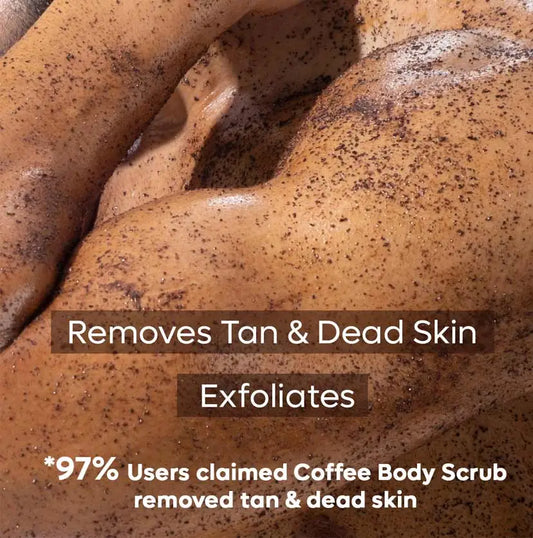
For really stubborn tan on elbows, knees, and the back of the neck, physical exfoliation helps. The Exfoliating Caramel Crunch Body Wash sloughs off dead cells more aggressively, speeding up the process.
Add a Dedicated Detan Soap
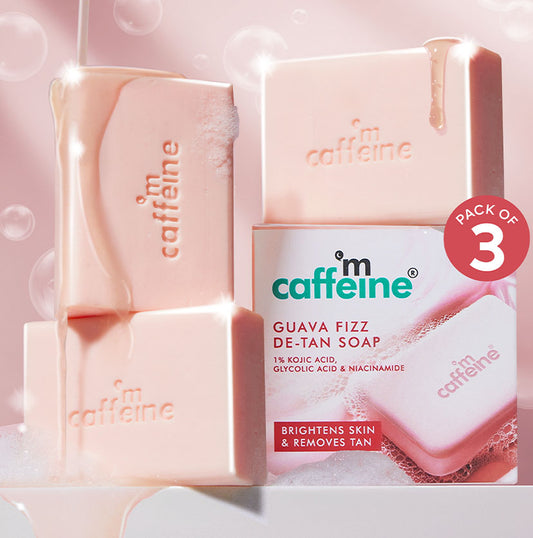
A concentrated detan soap delivers active ingredients in a simple format. The best ones contain kojic acid, glutathione, or natural brighteners like saffron. The trick is leaving the lather on for a minute or two before rinsing. That extra contact time helps ingredients absorb better.
Don't Skip Moisturizer
Here's where people mess up. Tan removal actives can dry skin out, and dry skin actually looks more dull and uneven. Following up with hydration keeps things balanced.
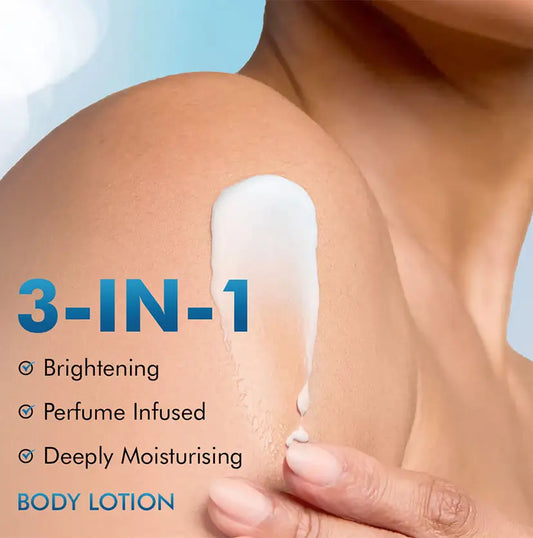
The 10% Magnesium Body Lotion works well here because magnesium supports skin barrier repair, while De-Tan & Exfoliating Body Washes help De Tan on a deeper level.
How Long Before Results Show Up?
Here's the part nobody wants to hear: patience is required.
Skin cell turnover takes about 28 days. That means the tanned cells on the surface need time to shed and be replaced by fresh ones underneath. Most dermatologists agree that visible improvement takes 4-8 weeks of consistent product use.
|
Factor |
Impact on Recovery Time |
|
How deep the tan is |
Deeper tan = longer recovery |
|
Age of the tan |
Fresh tan fades faster than old tan |
|
Consistency of routine |
Skipping days slows everything down |
|
Sun protection during treatment |
More exposure = more setbacks |
The good news? Results compound over time. Week one might not show much, but by week four, the difference becomes noticeable.
Common Mistakes That Slow Progress
A few habits can sabotage even the best tan removal products.
Over-Exfoliating
Scrubbing harder doesn't make the tan disappear faster. It just irritates the skin, triggers inflammation, and can actually worsen pigmentation. Stick to exfoliating 2-3 times per week maximum.
Mixing Too Many Actives
Using kojic acid, glycolic acid, vitamin C, and retinol all at once sounds aggressive and effective. In reality, it just overwhelms the skin. Pick one or two activities and let them work.
Forgetting the Body
Face gets all the attention, but body tan on arms, neck, and legs is often more stubborn. Products formulated with Caffeine help energize skin while tackling tan, making body care more effective.
Skipping Sunscreen on Cloudy Days
UV rays don't take breaks. Neither should sun protection.
What Actually Works: A Simple Weekly Routine
Keeping things simple increases the chances of actually sticking with it.
- Daily: Detan body wash in the shower, moisturizer after, sunscreen before going out
- 2-3 times weekly: Exfoliating body wash for stubborn areas
- Weekly: Extra attention to problem zones like elbows, knees, and tan lines
That's it. No complicated 10-step process. Just consistency with products that contain the right ingredients.
FAQS
Q1. What's the fastest way to remove tan?
Combining a detan soap with AHA-based exfoliators speeds things up. Consistent sunscreen use prevents new tan while the existing tan fades. For very stubborn cases, professional treatments like chemical peels offer quicker results but require dermatologist's supervision.
Q2. Can tan removal products be used daily?
Gentle formulas like detan body wash can be used every day. Products with higher concentrations of exfoliating acids should be limited to 2-3 times weekly to avoid irritation and sensitivity.
Q3. Do home remedies actually work?
Turmeric, yogurt, and lemon have mild brightening properties. They help with a very light tan and require weeks of consistent use. For stubborn or deep tan, formulated products with optimized ingredient concentrations deliver faster, more reliable results.
Q4. How do I remove tan from elbows and knees?
These areas have thicker skin that holds onto tan longer. Physical exfoliation with a scrub or exfoliating body wash helps. Apply extra product to these zones and massage in circular motions before rinsing.
Q5. Should I exfoliate before or after using detan products?
Exfoliate before applying leave-on treatments so active ingredients penetrate better. For wash-off products like detan body wash, the exfoliation happens during use, so no separate step is needed.
Also Read
Fastest ways to remove Tan: Proven Methods and Tips
No More TAN-trums: Brews to Get Rid of Tan
Learn how to remove tan from face
Best Body Scrubs That Help Remove Tan Effectively this summer

Best Hydrating Body Care Kit for Daily Use in India
20 Aug 2026
mCaffeine Coffee Body Scrub vs Ubtan: What to Choose, When and Why
18 Aug 2026
Top 5 Tan Removal Products in India That Actually Work (2026)
13 Aug 2026

How to Get Even Skin Tone on Your Body: A 4-Week Routine Plan
06 Jun 2026
